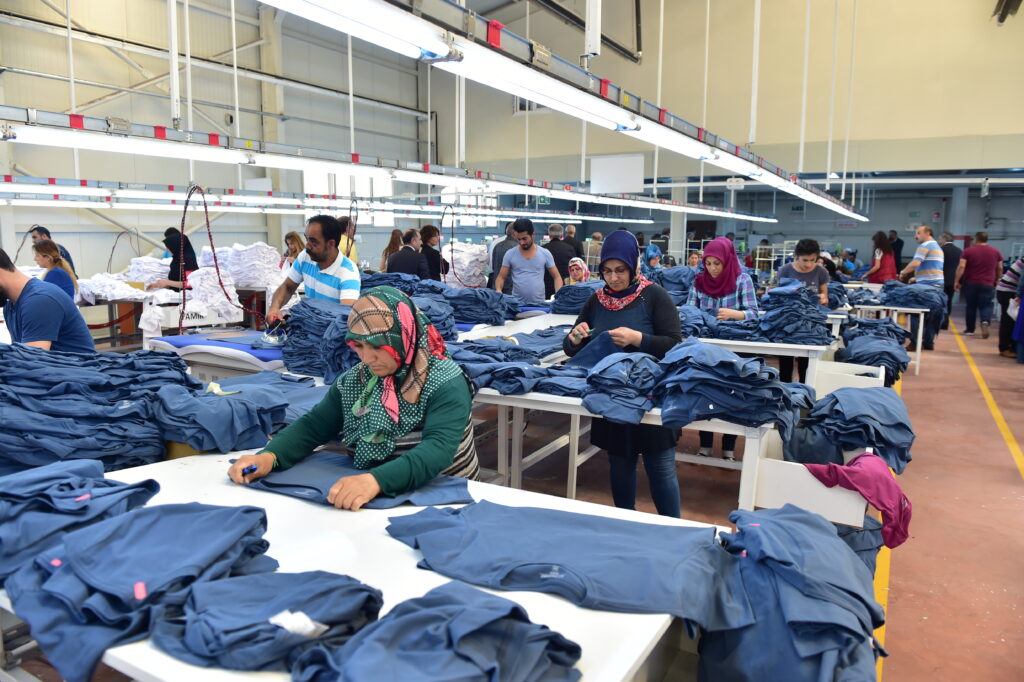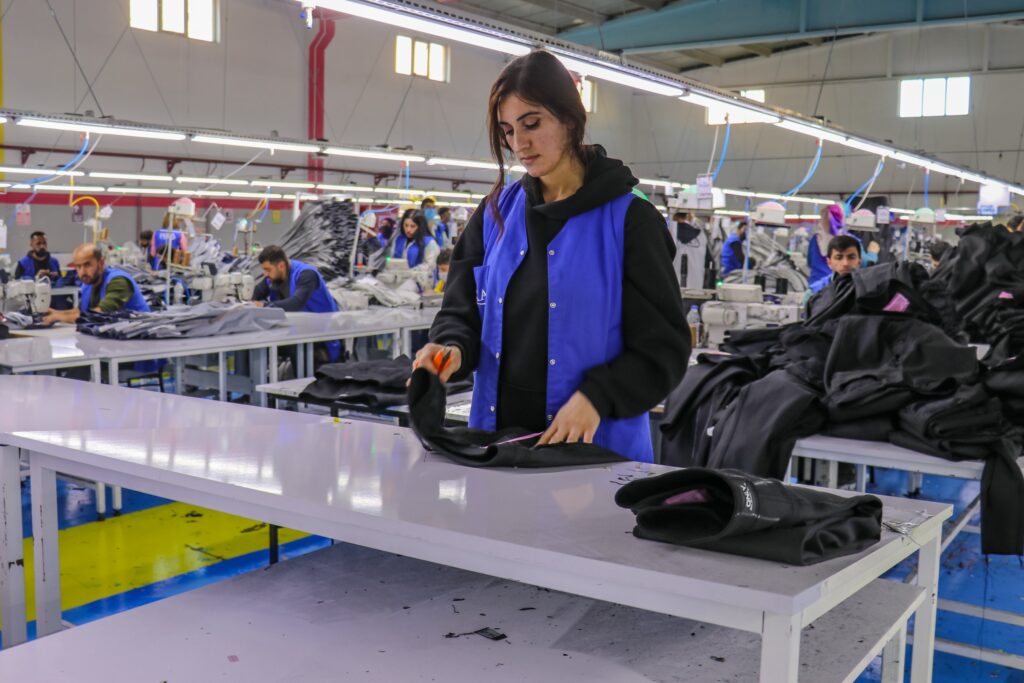

Turkey has emerged as one of the world’s most dynamic furniture manufacturing hubs, combining traditional craftsmanship with modern production techniques. The country’s furniture industry is concentrated in key industrial zones like Kayseri and Inegol, where clusters of manufacturers create a competitive environment that drives innovation and cost-effectiveness. For international B2B buyers seeking high-quality furniture at wholesale prices, Turkey represents an exceptional sourcing opportunity.
The Turkish furniture sector produces everything from contemporary designs to traditional styles, serving diverse market segments including residential, commercial, hospitality, and contract furniture. Whether you’re sourcing sofas, bedroom sets, dining tables, office furniture, or custom pieces, Turkish manufacturers offer the flexibility, quality, and pricing that can enhance your product offerings and profitability.
This comprehensive guide provides B2B buyers with the essential knowledge and strategies needed to successfully source furniture from Turkey. We’ll explore the industry landscape, guide you through supplier selection, discuss quality standards and certifications, and provide practical strategies for building profitable partnerships with Turkish furniture manufacturers.
1. The Turkish Furniture Industry: Market Overview and Strengths
Turkey’s furniture industry is a significant contributor to the country’s export economy, with thousands of manufacturers ranging from small artisanal workshops to large-scale industrial producers. Understanding the industry’s structure and strengths is essential for making informed sourcing decisions.
Industry Scale and Capacity
The Turkish furniture industry is substantial, with production facilities concentrated in several key regions. Kayseri is known for upholstered furniture and sofas, while Inegol specializes in wooden furniture. These industrial clusters create competitive advantages through shared infrastructure, skilled labor pools, and supplier networks.
Product Diversity
Turkish manufacturers produce a wide range of furniture types, including residential furniture (sofas, beds, dining sets), office furniture (desks, chairs, storage), hospitality furniture (hotel beds, restaurant seating), and specialized contract furniture. This diversity means you can find suppliers for virtually any furniture category.
Quality and Design Innovation
Turkish furniture is known for its quality construction, attention to detail, and increasingly, innovative design. Many manufacturers invest in design teams and regularly introduce new collections that reflect current market trends. This combination of quality and design innovation makes Turkish furniture competitive in global markets.
Cost Competitiveness
Turkish manufacturers offer competitive pricing compared to Western producers, while maintaining higher quality standards than many Asian competitors. This cost-to-quality ratio is a primary reason why many international retailers and distributors source from Turkey.
Flexibility and Customization
Turkish furniture manufacturers are known for their flexibility in accommodating custom designs, materials, colors, and specifications. Many suppliers offer both standard collections and custom manufacturing services, allowing brands to create unique product offerings.
2. Finding Turkish Furniture Suppliers
Identifying reliable furniture suppliers is the first step in your sourcing journey. There are several effective channels for finding Turkish manufacturers.
B2B Marketplaces and Directories
Platforms like PortYol provide curated directories of verified Turkish furniture suppliers. These platforms allow you to search by product category, production capacity, certifications, and other criteria, making it easier to identify suppliers that match your requirements.
Industry Trade Shows
Turkey hosts several major furniture trade shows throughout the year, including the Istanbul Furniture Fair and regional exhibitions. These events are excellent opportunities to see products firsthand, meet manufacturers, and network with industry professionals. For upcoming events, see our guide to Major Turkish Trade Shows 2026.
Direct Supplier Research
Many Turkish furniture manufacturers have established websites and social media presence. Direct research and outreach through email or LinkedIn can be effective for initiating contact with potential suppliers.
Sourcing Agents and Consultants
Furniture sourcing agents specializing in Turkish suppliers can help you identify manufacturers that meet your specifications and facilitate the entire sourcing process.
3. Evaluating Turkish Furniture Suppliers
Once you’ve identified potential suppliers, a thorough evaluation process is essential to ensure you’re partnering with reliable, quality-focused manufacturers.
Assess Production Capabilities
Evaluate each supplier’s capabilities by inquiring about:
- Production Capacity: What is their monthly production volume? Can they scale up for larger orders?
- Product Specialization: What furniture categories do they specialize in? Do they have experience with your product type?
- Customization Services: Can they accommodate custom designs, materials, and finishes?
- Lead Times: What are typical production timelines? Can they meet your deadlines?
- Technology and Equipment: What manufacturing equipment do they use? How modern are their facilities?
Review Certifications and Standards
Request documentation of relevant certifications:
- IMOB Certification: The Turkish furniture industry certification that ensures quality and compliance standards.
- ISO 9001: Quality management system certification.
- ISO 14001: Environmental management system certification.
- CE Marking: For furniture sold in the European Union.
- Safety Certifications: Depending on furniture type (fire safety, structural safety, etc.).
Request and Evaluate Samples
Always request samples before placing large orders:
- Quality Assessment: Evaluate construction quality, materials, and finishes.
- Design Accuracy: Verify that samples match your design specifications.
- Durability: Assess the durability of joints, frames, and upholstery.
- Consistency: If receiving multiple samples, verify consistency in quality.
Conduct Reference Checks
Contact existing clients to verify the supplier’s reliability:
- Quality Consistency: Do they maintain consistent quality across orders?
- On-Time Delivery: Do they meet delivery deadlines?
- Communication: Are they responsive and easy to work with?
- Problem Resolution: How do they handle issues or defects?
For comprehensive supplier verification guidance, see our complete guide to How to Find & Verify Turkish Suppliers.
4. Understanding Furniture MOQs and Pricing
MOQs and pricing are critical factors in furniture sourcing. Understanding how these work in the Turkish market will help you negotiate effectively.
Typical MOQ Ranges
MOQs for Turkish furniture vary based on product type and supplier size:
- Standard Collections: MOQs typically range from 20 to 100 units per model, depending on complexity and supplier capacity.
- Custom Furniture: MOQs for custom pieces may be lower (10-50 units) or higher (100-500 units) depending on design complexity.
- Bulk Orders: Suppliers often offer significant discounts for larger orders (500+ units).
Smaller, specialized manufacturers may have lower MOQs, while large-scale producers may require higher minimums.
Pricing Factors
Several factors influence furniture pricing:
- Materials: Quality and type of materials (wood, upholstery, hardware) significantly impact cost.
- Design Complexity: More complex designs and custom features increase production costs.
- Production Volume: Larger orders result in lower per-unit costs.
- Customization: Custom designs, colors, and materials may incur additional charges.
- Certifications: Products with premium certifications may command higher prices.
Negotiating Pricing
When negotiating with Turkish furniture suppliers:
- Be Transparent: Clearly communicate your volume requirements and budget.
- Request Detailed Quotes: Ask suppliers to break down pricing by component (materials, labor, overhead).
- Negotiate Volume Discounts: Discuss tiered pricing for larger volumes.
- Build Relationships: Long-term partnerships often result in better pricing and terms.
For detailed negotiation strategies, see our article on Negotiating with Turkish Suppliers.
5. Quality Control and Standards
Ensuring consistent quality is essential when sourcing furniture. Understanding quality control processes and standards is crucial.
Pre-Production Quality Control
Before production begins, establish clear quality standards:
- Detailed Specifications: Provide comprehensive specifications including materials, dimensions, colors, and finishes.
- Approved Samples: Establish approved samples that production must match.
- Testing Requirements: Specify any required testing (durability, safety, structural integrity).
In-Production Monitoring
During production, maintain quality oversight:
- Supplier Quality Control: Verify that the supplier has robust quality control processes.
- Regular Communication: Maintain regular contact with the supplier to address any concerns.
- Third-Party Inspections: Consider hiring inspectors to monitor production quality.
Post-Production Quality Control
Before shipment, conduct final quality checks:
- Final Inspection: Inspect all finished furniture for defects, color consistency, and specification compliance.
- Safety Testing: Conduct required safety testing for structural integrity and stability.
- Packaging Inspection: Verify that furniture is properly packaged to prevent damage during shipping.
For comprehensive guidance, see our article on Quality Control & Factory Audits in Turkey.
6. Navigating Logistics and Shipping
Understanding logistics and shipping options is essential for successful furniture sourcing from Turkey.
Shipping Methods
Turkish furniture suppliers typically offer several shipping options:
- Sea Freight: The most cost-effective option for large shipments. Typical transit times are 7-14 days to Europe and 20-30 days to the US.
- Air Freight: Faster but more expensive, typically used for urgent orders or smaller shipments.
- Land Freight: For European destinations, truck freight is often a cost-effective option.
Packaging and Handling
Furniture requires careful packaging to prevent damage:
- Protective Packaging: Ensure furniture is properly wrapped and protected during transit.
- Palletization: Furniture should be properly palletized for efficient handling and shipping.
- Damage Prevention: Verify that packaging is adequate for the shipping method and distance.
Incoterms and Responsibilities
Clarify shipping responsibilities using Incoterms:
- FOB (Free on Board): The supplier is responsible for loading goods. You assume responsibility from that point.
- CIF (Cost, Insurance, and Freight): The supplier covers shipping costs and insurance to your destination port.
- EXW (Ex Works): You assume all responsibility and costs from the supplier’s facility.
For detailed information on shipping options, see our guides on Shipping from Turkey to the US and Incoterms for Turkish Trade.
7. Building Long-Term Partnerships
Successful furniture sourcing is built on strong, long-term partnerships with reliable suppliers. Here are strategies for building and maintaining these relationships.
Establish Clear Communication
Maintain open, regular communication:
- Regular Updates: Keep suppliers informed about upcoming orders and requirements.
- Feedback: Provide constructive feedback on product quality and service.
- Problem Resolution: Address issues promptly and professionally.
Fair Pricing and Payment Terms
Build trust through fair dealing:
- Fair Pricing: Ensure pricing reflects the quality and service provided.
- Timely Payments: Pay invoices on time according to agreed terms.
- Flexible Terms: As relationships develop, negotiate favorable payment and delivery terms.
Volume Commitments and Loyalty
Reward reliable suppliers with loyalty:
- Volume Commitments: Offer volume commitments in exchange for better pricing and priority service.
- Long-Term Contracts: Consider long-term contracts that benefit both parties.
- Exclusive Arrangements: If appropriate, offer exclusive arrangements for specific products or markets.
Continuous Improvement
Work with suppliers to continuously improve:
- Quality Improvements: Collaborate on quality enhancements and innovation.
- Efficiency: Work together to improve production efficiency and reduce costs.
- New Collections: Partner on developing new furniture collections and designs.
8. Common Challenges and Solutions
Understanding common challenges in furniture sourcing will help you navigate potential issues.
Shipping Damage
Challenge: Furniture can be damaged during transit, particularly with long-distance shipping.
Solution: Invest in proper packaging and handling. Consider purchasing shipping insurance. Work with experienced logistics providers. Establish clear damage liability in contracts.
Quality Inconsistencies
Challenge: Variations in quality between orders or batches.
Solution: Establish strict quality control processes. Provide detailed specifications and approved samples. Conduct regular inspections and testing. Maintain regular communication with suppliers.
Lead Time Delays
Challenge: Production or shipping delays can disrupt your supply chain.
Solution: Build buffer time into planning. Maintain multiple supplier relationships. Establish clear penalties and incentives for on-time delivery in contracts.
Customization Challenges
Challenge: Custom designs may require multiple iterations before achieving desired results.
Solution: Provide detailed design specifications and samples. Establish clear approval processes. Budget for sample iterations. Maintain regular communication during the design phase.
9. Frequently Asked Questions (FAQs)
Q: What is the typical lead time for furniture orders from Turkey?
A: Lead times typically range from 4-8 weeks for standard collections and 8-12 weeks for custom furniture, depending on complexity and supplier capacity. Rush orders may be possible at additional cost.
Q: What is the minimum order quantity (MOQ) for Turkish furniture?
A: MOQs vary by supplier and product type. Standard collections typically have MOQs of 20-100 units per model, while custom furniture may have lower or higher minimums depending on design complexity.
Q: What certifications should I look for when sourcing furniture from Turkey?
A: Key certifications include IMOB (Turkish furniture certification), ISO 9001 (quality management), ISO 14001 (environmental management), CE marking (for EU sales), and relevant safety certifications depending on furniture type.
Q: Can Turkish furniture suppliers accommodate custom designs?
A: Yes, many Turkish manufacturers offer custom design services. They can work with you to create unique pieces that match your specifications, brand identity, and market requirements.
Q: What are the payment terms typically offered by Turkish furniture suppliers?
A: Common payment terms include 30-50% deposit upon order confirmation, with the balance due before shipment or upon delivery. Payment methods typically include wire transfer (T/T) or letters of credit (L/C).
Q: How can I ensure quality consistency across multiple orders?
A: Establish detailed specifications and approved samples. Conduct regular quality inspections and testing. Maintain regular communication with the supplier. Consider periodic factory audits. Establish clear quality standards in your contract.
Q: What shipping methods are available for furniture from Turkey?
A: Sea freight is the most cost-effective option for large shipments, typically taking 7-14 days to Europe and 20-30 days to the US. Air freight is faster but more expensive. Land freight is available for European destinations.
Q: Are there any import duties or tariffs I should be aware of?
A: Import duties and tariffs vary by destination country and furniture type. You should research the specific tariff rates for your country and factor these into your pricing calculations. Consult with customs brokers for detailed information.
Q: How do I verify that a Turkish furniture supplier is legitimate and reliable?
A: Check business registration with Turkish authorities, verify certifications, contact existing clients for references, request samples, and consider conducting a factory audit. Platforms like PortYol provide pre-verified suppliers, reducing your due diligence burden.
Q: What is the difference between FOB, CIF, and EXW shipping terms?
A: FOB (Free on Board) means the supplier covers costs until goods are loaded onto the vessel; you assume responsibility from that point. CIF (Cost, Insurance, and Freight) means the supplier covers all costs and insurance to your destination port. EXW (Ex Works) means you assume all responsibility and costs from the supplier’s facility.
Q: Can I negotiate pricing for large volume orders?
A: Yes, Turkish suppliers typically offer volume discounts for larger orders. Be transparent about your volume requirements, request detailed pricing breakdowns, and negotiate tiered pricing for different volume levels.
Conclusion: Your Path to Successful Furniture Sourcing from Turkey
Turkey offers exceptional opportunities for furniture sourcing, combining quality, design innovation, cost-effectiveness, and flexibility. By understanding the market landscape, implementing rigorous supplier evaluation and quality control processes, and building strong partnerships with reliable manufacturers, you can source high-quality furniture that enhances your product offerings and profitability.
The key to success is investing time in finding the right suppliers, establishing clear expectations and communication, and maintaining long-term relationships based on mutual benefit and trust. When you do this, you unlock the full potential of Turkey’s furniture manufacturing industry.
Ready to start your furniture sourcing journey? Explore PortYol’s network of verified Turkish furniture suppliers and begin building your supply chain today.