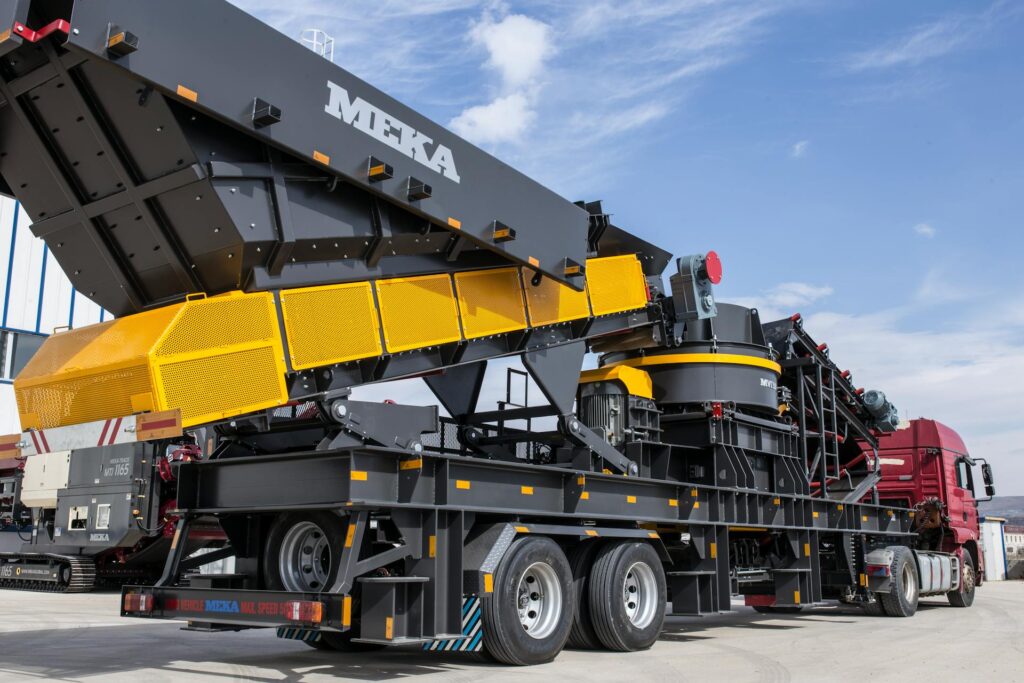
Turkey has rapidly become a global powerhouse in machinery and equipment manufacturing, offering a wide range of high-quality products for various industries. With a robust manufacturing base, a skilled workforce, and a strategic geographic location, Turkey presents significant opportunities for B2B buyers seeking reliable and cost-effective machinery solutions. In 2024, Turkey’s machinery exports reached an impressive $29.8 billion, making it the country’s fourth-largest export industry and accounting for 10% of total exports .
For businesses engaged in Sourcing from Turkey, understanding the dynamics of the Turkish machinery market is essential for making informed sourcing decisions. The country’s machinery sector is known for its R&D intensity, with over 39,000 mechanical engineers graduating annually, driving innovation and quality . This guide provides a comprehensive overview of sourcing machinery and equipment from Turkey, covering market data, leading manufacturers, quality standards, and practical guidance for B2B buyers.
1. The Turkish Machinery Market: An Overview
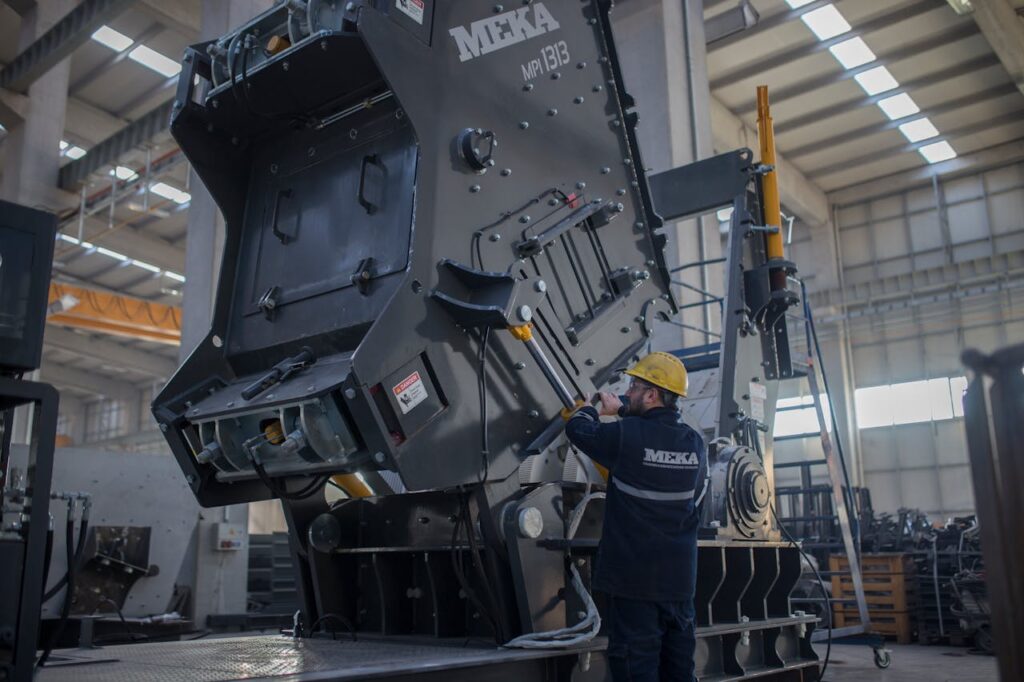
Turkey’s machinery industry has experienced remarkable growth, with a 15-fold increase in exports over the last 23 years . The sector’s total revenue reached $45 billion in 2023, supported by a workforce of over 500,000 employees . This growth is a testament to the industry’s competitiveness, driven by favorable input costs, a skilled labor force, and a strong domestic and international demand.
Market Size and Export Volume
Turkey is the 25th largest machinery manufacturer globally and the 6th largest in Europe . The country exports machinery to over 200 countries, with 60% of its exports destined for the USA and EU markets . This demonstrates the high level of trust and acceptance of Turkish machinery in some of the world’s most demanding markets.
Key Export Destinations
The primary export markets for Turkish machinery include:
- Germany: A leading importer of Turkish machinery, reflecting the high quality and engineering standards of Turkish products.
- United Kingdom: A significant market for a wide range of Turkish industrial and agricultural machinery.
- France: A key European partner for Turkish machinery manufacturers.
- Italy: An important market for specialized machinery and equipment.
- United States: A growing market with increasing demand for Turkish machinery across various sectors.
2. Major Machinery and Equipment Categories
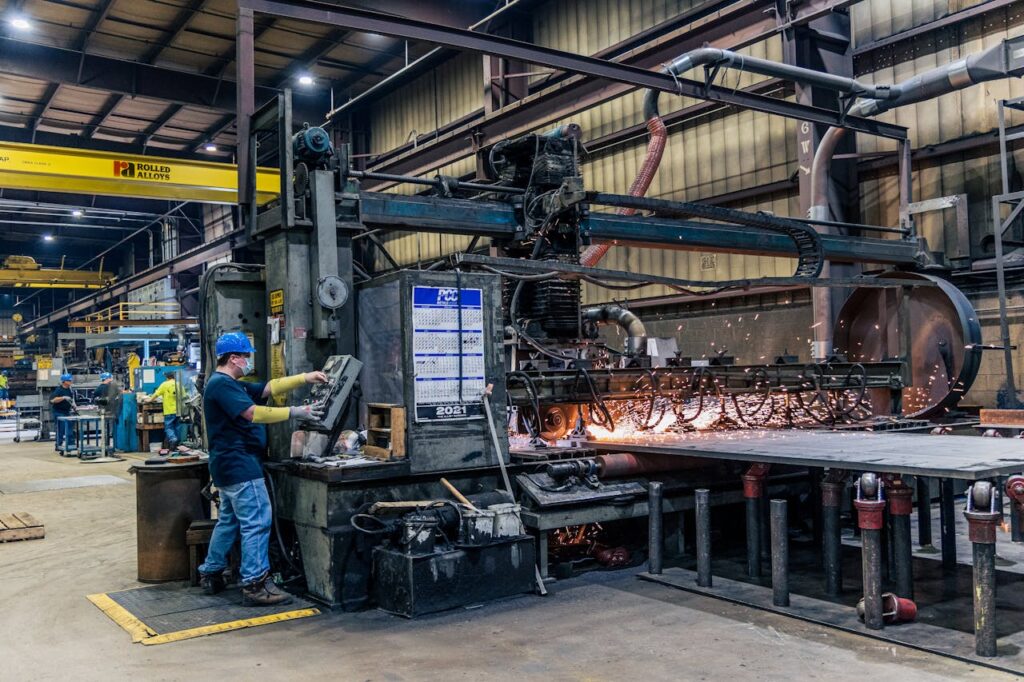
Turkey’s machinery industry is highly diversified, with several key sectors driving its export success.
HVAC (Heating, Ventilation, and Air Conditioning)
With exports totaling $7.1 billion in 2024, the HVAC sector is a major contributor to Turkey’s machinery exports. Turkey is a leading European manufacturing base for air handling units (AHUs), panel radiators, and boilers .
Agricultural Machinery
The Turkish agricultural machinery market reached $3.6 billion in 2022, offering a wide range of products, including tractors, harvesters, irrigation systems, and farming tools .
Industrial Machinery
This broad category includes CNC machines, textile machinery, and food processing equipment. Turkish manufacturers are known for their ability to produce customized and high-performance industrial machinery.
Construction Machinery
With a market size of $2 billion in 2022, Turkey’s construction machinery sector produces a variety of equipment, such as excavators, loaders, and compactors, for both domestic and international markets .
Lifting and Handling Equipment
This sector, which reached $2.9 billion in 2022, includes cranes, hoists, and other material handling systems, serving various industries from logistics to manufacturing .
3. Leading Turkish Machinery Manufacturers
Turkey is home to a large number of machinery manufacturers, from large corporations to flexible and innovative SMEs.
Key Manufacturers and Exporters
While the Turkish machinery industry is fragmented with over 21,000 companies, several have gained international recognition for their quality and innovation. B2B platforms like PortYol and industry associations such as the Turkish Machinery Association can help buyers connect with reputable manufacturers.
4. Quality Standards and Certifications
Turkish machinery manufacturers adhere to international quality and safety standards to ensure their products are competitive in global markets.
CE Marking
CE marking is mandatory for machinery sold within the European Economic Area (EEA) and indicates that a product complies with EU safety, health, and environmental protection requirements. Most Turkish machinery exporters are compliant with CE marking standards.
ISO 9001:2015
Many Turkish machinery manufacturers are ISO 9001 certified, which demonstrates their commitment to a systematic approach to quality management. This certification ensures that products are manufactured in a controlled and consistent manner.
Industry-Specific Certifications
Depending on the machinery type, specific certifications may be required. For example, agricultural machinery may need to comply with specific safety standards, while machinery for the food industry must meet stringent hygiene requirements.
5. Logistics and Shipping for Machinery Export
Proper logistics and shipping are critical for the safe and timely delivery of heavy and often oversized machinery.
Packaging
Machinery is typically packaged in custom-built wooden crates or secured on flat-rack containers to protect it during transit. Anti-corrosion treatments and moisture protection are often applied for sea freight.
Shipping Methods
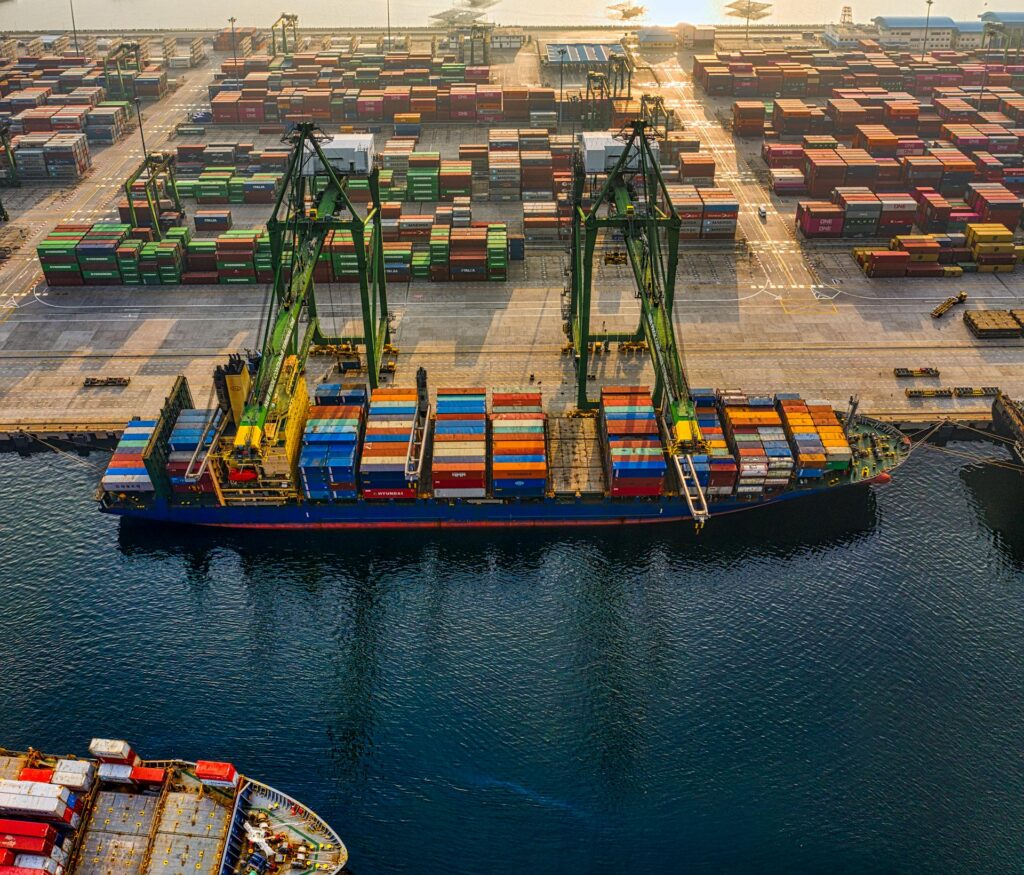
•Sea Freight: The most common and cost-effective method for shipping heavy machinery. Options include Full Container Load (FCL), Less than Container Load (LCL), and Roll-on/Roll-off (Ro-Ro) for wheeled machinery.
•Road and Rail: Used for transporting machinery to destinations in Europe and the Middle East.
•Air Freight: A faster but more expensive option, typically used for urgent spare parts or smaller, high-value equipment.
Key Ports for Machinery Export
- Port of Istanbul (Ambarlı): A major hub for containerized and Ro-Ro shipments.
- Port of Mersin: Strategically located for trade with the Middle East and Africa.
- Port of Gemlik (Bursa): An important port for the automotive and machinery industries.
- Port of İzmir (Aliağa): A key port for industrial and project cargo.
6. How to Source Machinery from Turkey
A structured approach is essential for successfully sourcing machinery and equipment from Turkey.
1. Define Your Technical Specifications
Create a detailed document outlining the technical requirements, performance specifications, and any customization needed for the machinery.
2. Identify and Vet Potential Suppliers
Use online B2B platforms, attend Turkish trade shows, and consult with industry associations to create a list of potential suppliers. Conduct thorough due diligence on each supplier, including their financial stability, production capacity, and export experience. Our guide on How to Find & Verify Turkish Suppliers provides a comprehensive framework for this process.
3. Request Detailed Proposals and Technical Drawings
Submit your technical specifications to shortlisted suppliers and request detailed proposals, including technical drawings, component lists, and pricing.
4. Conduct Factory Audits and Inspections
For significant purchases, it is highly recommended to conduct a factory audit to assess the manufacturer’s production capabilities and quality control processes. Pre-shipment inspections by a third-party agency are also crucial to verify that the machinery meets your specifications before it is shipped.
5. Negotiate the Contract and Payment Terms
Negotiate a comprehensive contract that covers all aspects of the purchase, including warranties, after-sales support, and spare parts availability. For high-value transactions, use secure payment methods such as a Letter of Credit (L/C).
6. Manage Logistics and Installation
Work with a freight forwarder specializing in heavy machinery to manage the shipping, customs clearance, and delivery of the equipment. If required, arrange for installation and commissioning support from the manufacturer.
7. Frequently Asked Questions (FAQs)
Q: Is machinery from Turkey good quality?
Q: Are Turkish machinery prices competitive?
Q: Can I get customized machinery from Turkish manufacturers?
Q: What kind of after-sales support can I expect?
Q: How do I find reliable machinery suppliers in Turkey?
Q: What are the typical payment terms for machinery purchases?
Conclusion
Sourcing machinery and equipment from Turkey offers a compelling combination of quality, innovation, and value. The country’s dynamic and rapidly growing machinery industry provides a wide range of products for various sectors, backed by strong engineering capabilities and a commitment to international standards. By following a structured sourcing process, conducting thorough due diligence, and partnering with reputable suppliers, B2B buyers can leverage the strengths of the Turkish machinery market to enhance their operational efficiency and competitive advantage.
References
[1] Invest in Türkiye. (2024). Machinery. Retrieved from
[2] Turkish Machinery Association. (2024 ). About Turkish Machinery Industry. Retrieved from