
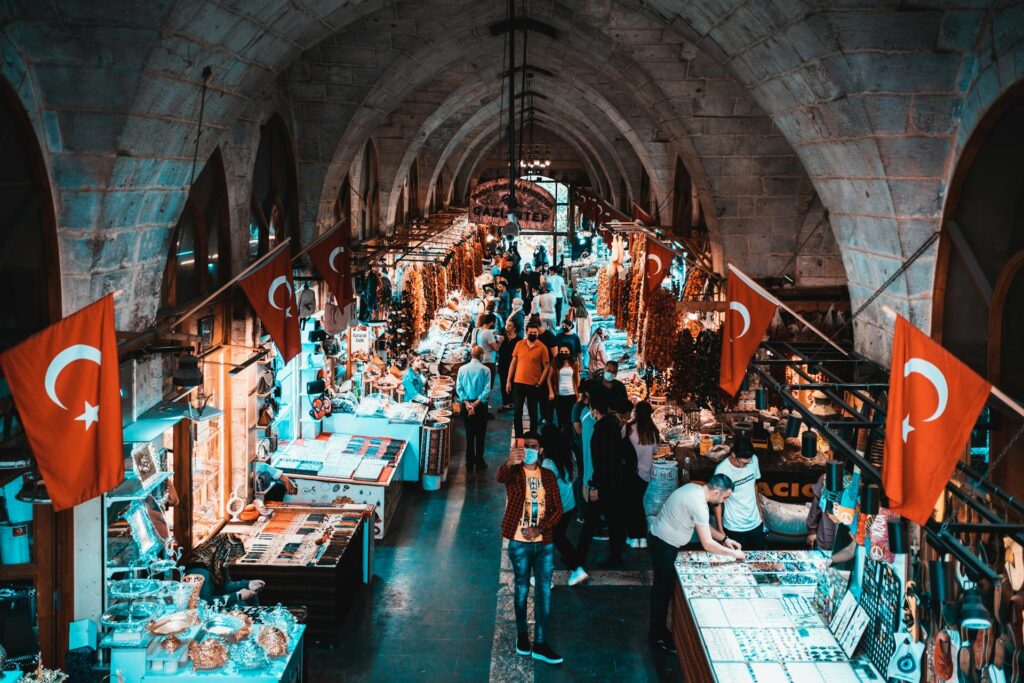
Successfully Sourcing from Turkey requires more than just finding the right products; it demands a deep understanding of the local business culture and negotiation practices. Turkish business culture is deeply rooted in relationships, respect, and a unique approach to bargaining that can be unfamiliar to international buyers. This guide provides practical tips and strategies to help you navigate the cultural nuances of negotiating with Turkish suppliers, build strong partnerships, and achieve successful B2B transactions.
1. Understanding Turkish Business Culture
Turkish business culture is highly personal and relationship-oriented. Unlike in many Western cultures where business is often transactional, in Turkey, deals are made with people, not just companies. Building trust and rapport is a prerequisite for any successful business relationship .
The Importance of Relationships
Turkish business professionals prefer to work with those they know, like, and trust. Initial meetings are often more about getting to know you as a person than discussing business details. Expect conversations to touch on personal matters, family, and mutual interests before delving into business. This process of building a personal connection is crucial for establishing a foundation of trust.
Hierarchy and Respect
Turkish society and business culture are hierarchical. Respect for elders and those in senior positions is paramount. When negotiating, you will likely start with junior or mid-level managers before gaining access to the ultimate decision-makers. It is important to show respect to everyone you interact with, regardless of their position.
2. Preparing for Negotiations
Thorough preparation is key to successful negotiations with Turkish suppliers.
Research and Due Diligence
Before entering negotiations, conduct comprehensive research on your potential supplier. Understand their company history, production capacity, key clients, and financial stability. This information will not only help you assess their suitability as a partner but also provide valuable context for your negotiations.
Define Your Objectives and Bottom Line
Clearly define your objectives for the negotiation, including your target price, desired quality standards, and delivery timelines. It is also crucial to determine your “walk-away” point or bottom line. Turkish negotiators are skilled bargainers, and knowing your limits will prevent you from making unfavorable concessions.
3. Key Negotiation Strategies
Navigating the negotiation process with Turkish suppliers requires a blend of patience, flexibility, and strategic thinking.
The Art of Bargaining
Bargaining is an integral part of Turkish business culture and is expected in most negotiations. The initial price quoted by a supplier is almost always a starting point for discussion, not a final offer. It is common for prices to move by as much as 30-40% from the initial offer to the final agreement .
Pro Tip: Never accept the first offer. Engage in the bargaining process respectfully, and be prepared to make counter-offers. This demonstrates that you understand and respect their business culture.
Patience is a Virtue
The negotiation process in Turkey can be slower than in many Western countries. Decisions are often made collectively and may require multiple meetings. Avoid imposing tight deadlines or using high-pressure tactics, as this can be perceived as disrespectful and may lead to a breakdown in negotiations .
Building a Win-Win Scenario
Frame your proposals in a way that emphasizes mutual benefit. Turkish business professionals are more receptive to partnerships that offer long-term value for both sides. Highlighting how your proposal can lead to a fruitful and lasting business relationship can be a powerful negotiation tool.
4. Communication and Etiquette
Effective communication and proper etiquette are essential for building rapport and trust with your Turkish counterparts.
Direct vs. Indirect Communication
While Turkish business communication can be direct once a relationship is established, initial interactions are often more indirect. It is important to be mindful of non-verbal cues and to read between the lines. Avoid being overly blunt or confrontational, as this can be seen as aggressive.
Meeting Etiquette
- Punctuality: Arrive on time for meetings to show respect, but be prepared for your Turkish counterparts to be less punctual.
- Small Talk: Engage in small talk at the beginning of meetings. This is an important part of the relationship-building process.
- Hospitality: Accept offers of Turkish tea or coffee. Declining hospitality can be seen as impolite.
5. Finalizing the Agreement
Once you have reached a verbal agreement, it is crucial to formalize it in a written contract.
The Importance of a Written Contract
While verbal agreements are often considered binding in Turkish culture, a detailed written contract is essential for international business transactions. The contract should clearly outline all terms and conditions, including product specifications, pricing, payment terms, delivery schedules, and warranty provisions.
Payment Terms
Negotiate payment terms that are secure and acceptable to both parties. Common payment methods for international trade include Letters of Credit (L/C), which offer a high level of security for both the buyer and the seller.
6. Frequently Asked Questions (FAQs)
Q: Is it rude to bargain with Turkish suppliers?
Q: How long does the negotiation process typically take?
Q: What is the best way to build a relationship with a Turkish supplier?
Q: Are verbal agreements common in Turkey?
Q: What are some common negotiation tactics used by Turkish suppliers?
Conclusion
Negotiating with Turkish suppliers is a rewarding experience that can lead to strong and profitable business partnerships. By understanding and respecting Turkish business culture, preparing thoroughly, and employing strategic negotiation tactics, you can build the trust and rapport needed to achieve favorable outcomes. Remember that patience, flexibility, and a focus on building long-term relationships are the cornerstones of successful B2B negotiations in Turkey.
References
[1] Cultural Atlas. (2019). Turkish Culture – Business Culture. Retrieved from