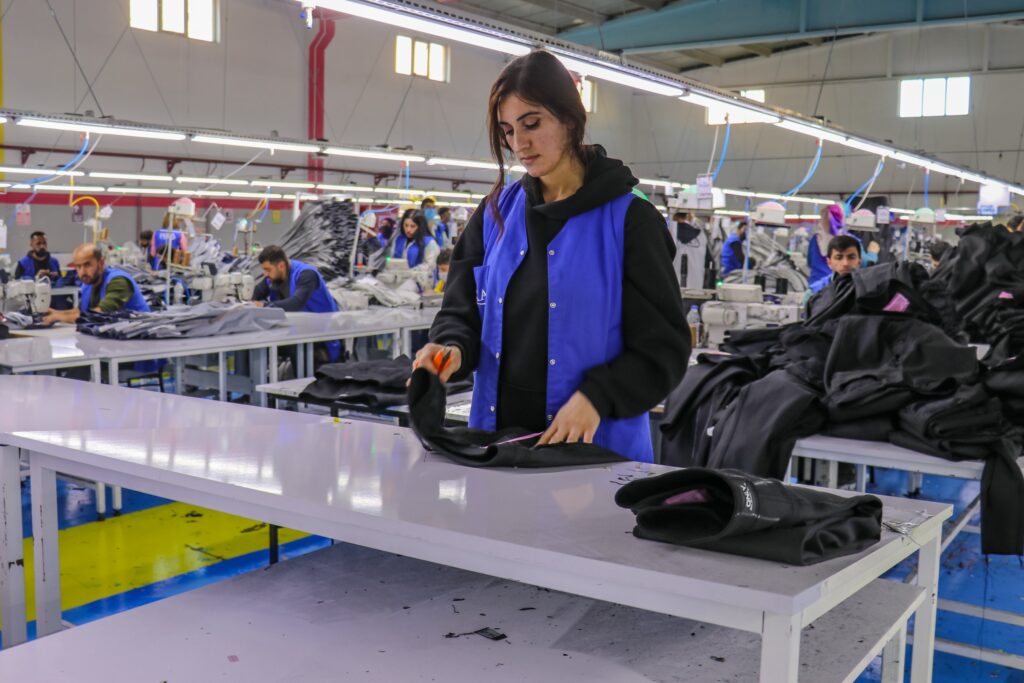
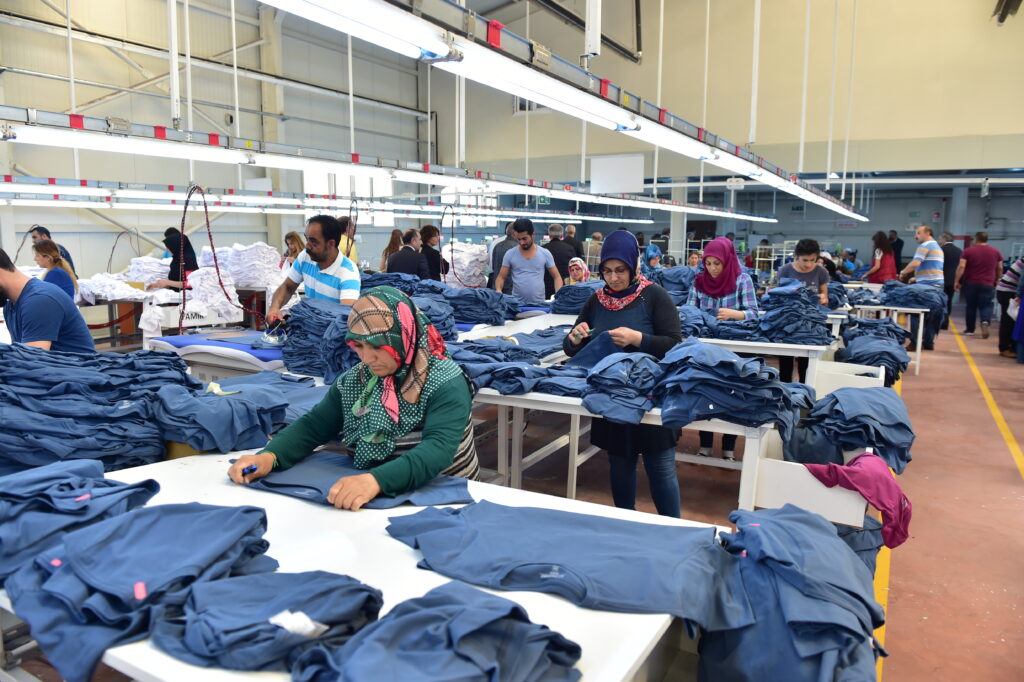
Turkey’s textile industry is one of the most dynamic and sophisticated in the world, combining centuries-old craftsmanship with cutting-edge modern technology. With production facilities spread across the country and a workforce of over 500,000 people, Turkey produces everything from basic fabrics to highly specialized textiles. For B2B buyers seeking to source from Turkey, the textile sector offers unparalleled opportunities.
1. Overview of the Turkish Textile Industry
Industry Scale and Global Position
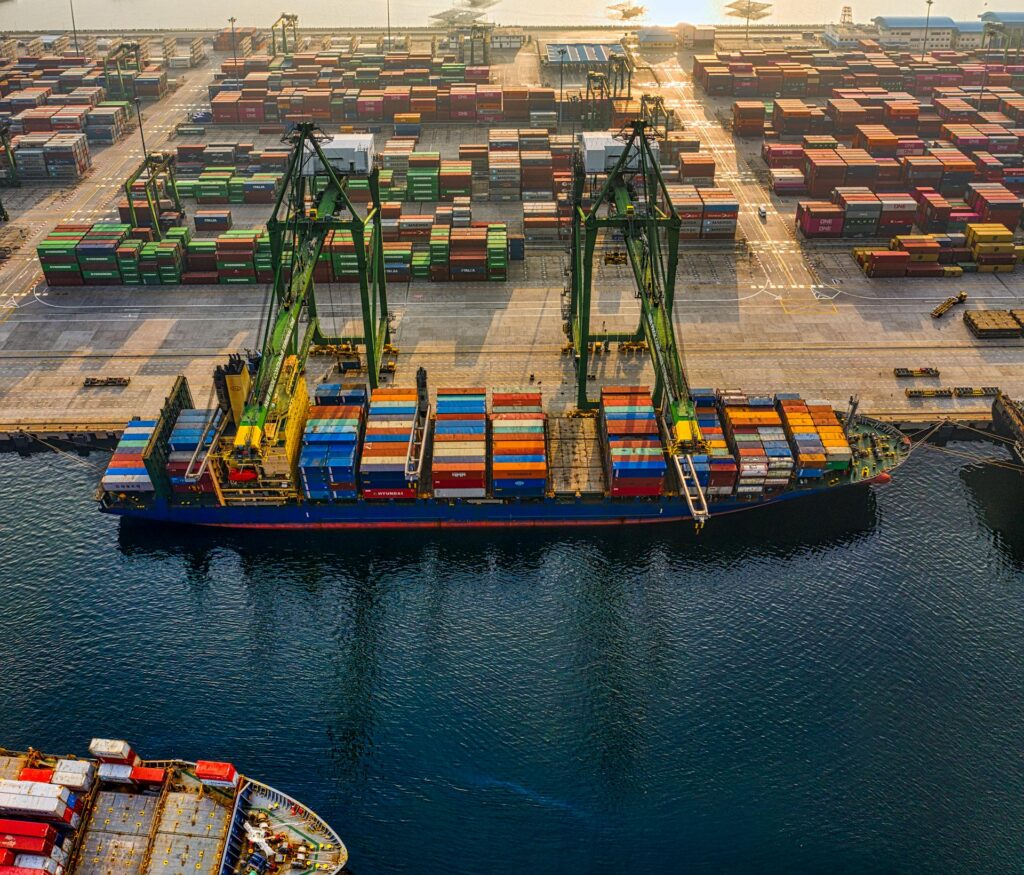
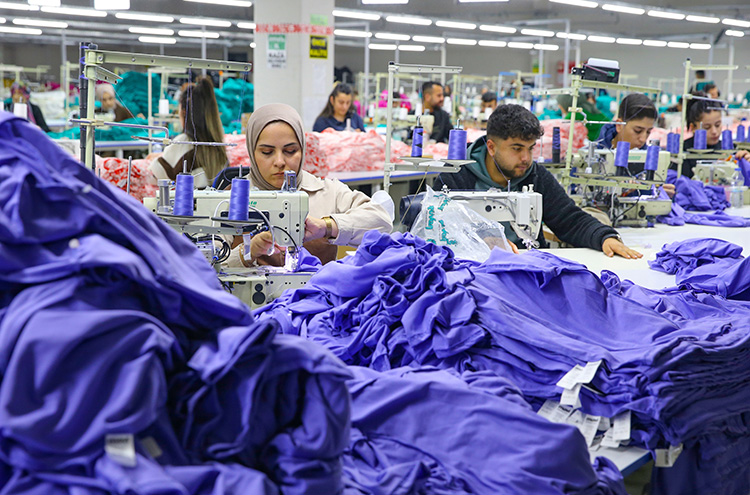
Turkey’s textile industry is a cornerstone of the country’s manufacturing sector, generating approximately $18 billion in annual revenue and accounting for roughly 8% of global textile exports . The country ranks as the world’s fifth-largest textile exporter by value, behind China, India, Vietnam, and Germany. Turkish textile manufacturers export to over 150 countries, with major markets in Europe, Asia, and North America.
Production Capacity and Capabilities
The Turkish textile industry operates approximately 4,500 textile enterprises, ranging from small family-owned businesses to large multinational corporations. This diverse landscape ensures that B2B buyers can find suppliers capable of handling orders of any size, from small specialty batches to large-scale bulk production.
Geographic Distribution
Major textile production centers are located in Istanbul, Izmir, Bursa, Gaziantep, and Denizli. Each region specializes in different textile categories, allowing buyers to identify the most suitable suppliers for their specific needs.
2. Major Textile Categories from Turkey
Cotton Textiles
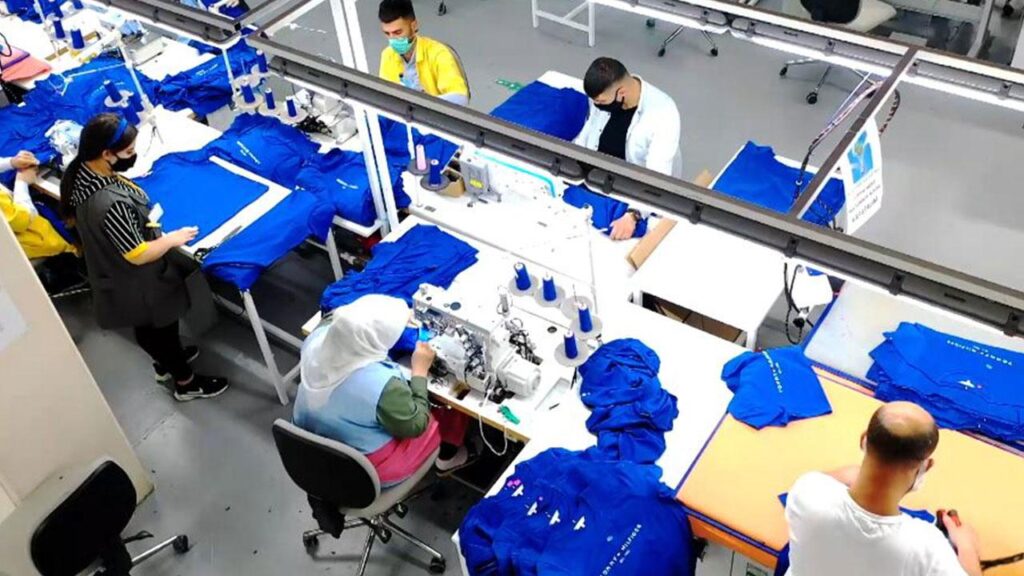
Turkey is a significant producer of cotton textiles, including yarn, fabric, and finished products. Turkish cotton textiles are known for their quality, durability, and competitive pricing. The country produces both raw cotton yarn and finished cotton fabrics for various applications.
Synthetic Fiber Textiles
Turkish manufacturers produce high-quality synthetic fiber textiles, including polyester, nylon, and acrylic fabrics. These materials are used in a wide range of applications, from apparel to technical textiles.
Blended Fabrics
Turkish textile mills produce blended fabrics combining natural and synthetic fibers, offering optimal performance characteristics for specific applications.
Technical Textiles
Turkey has developed a strong presence in technical textiles, including industrial fabrics, geotextiles, and performance textiles used in automotive, construction, and other industrial applications .
Home Textiles
Turkish manufacturers produce high-quality home textiles, including bed linens, towels, curtains, and upholstery fabrics, known for their softness, durability, and aesthetic appeal.
Apparel Fabrics
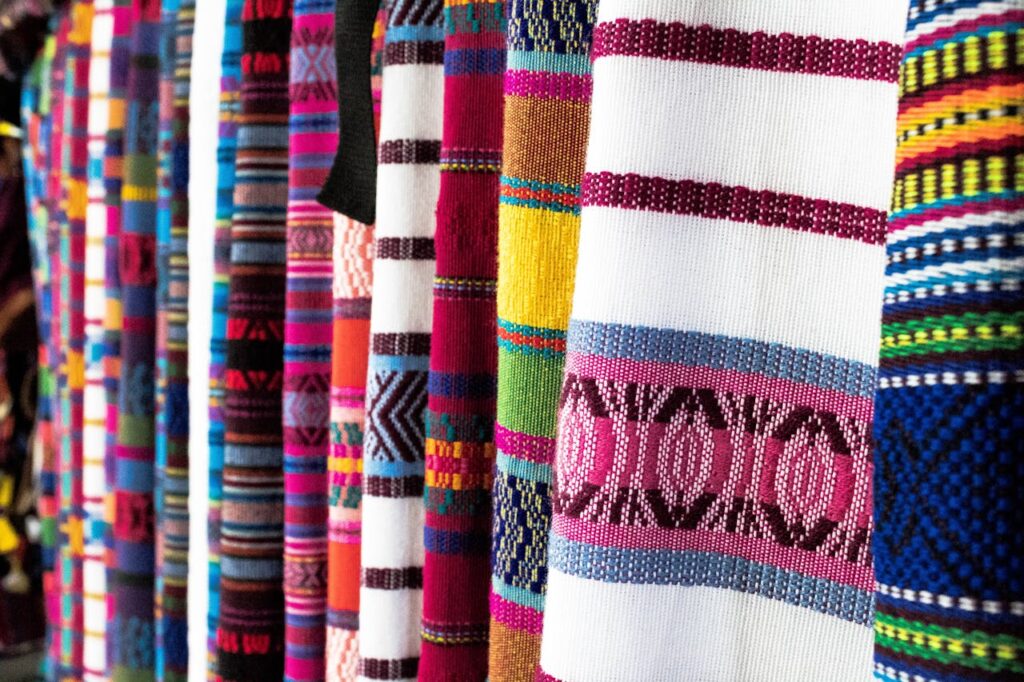
Turkey produces a wide variety of apparel fabrics, from basic cotton weaves to sophisticated jacquard and embroidered designs, catering to fashion-forward brands and traditional retailers alike.
3. Quality Standards and Certifications
OEKO-TEX Certification
Many Turkish textile manufacturers hold OEKO-TEX certification, demonstrating that their products are free from harmful substances and safe for human contact. This certification is particularly important for apparel and home textile manufacturers.
ISO 9001 Quality Management
Turkish textile producers typically maintain ISO 9001 certification, ensuring consistent quality and reliable production processes.
ISO 14001 Environmental Management
Environmental responsibility is increasingly important in the textile industry. Many Turkish manufacturers hold ISO 14001 certification, indicating commitment to sustainable production practices.
CE Marking
For textiles destined for European markets, CE marking indicates compliance with European Union regulations and safety standards.
Turkish Standards (TSE)
The Turkish Standards Institution (TSE) sets and enforces textile standards. TSE certification indicates compliance with Turkish national standards for textile quality and performance.
4. Finding and Vetting Textile Suppliers
Industry Associations
The Turkish Textile Manufacturers Association (ITKIB) maintains a comprehensive directory of textile manufacturers and can facilitate introductions to potential suppliers. The association also provides market intelligence and industry insights.
Trade Shows and Exhibitions
Major textile trade shows in Turkey include TEXFAIR Istanbul, which attracts thousands of buyers and suppliers from around the world. These events provide excellent opportunities to view products, meet suppliers, and negotiate terms.
Online B2B Platforms
Platforms like PortYol connect international buyers with verified Turkish textile suppliers, providing a convenient way to identify and evaluate potential partners.
Factory Audits
For significant orders, consider conducting on-site factory audits to assess production capacity, quality control procedures, and working conditions. This due diligence helps ensure supplier reliability.
Sample Evaluation
Always request fabric samples before committing to large orders. Evaluate samples for quality, consistency, colorfastness, and shrinkage to ensure they meet your specifications.
5. Pricing, MOQ, and Lead Times
Pricing Factors
Textile pricing in Turkey varies based on fiber content, production complexity, order volume, and market conditions. Turkish manufacturers offer competitive pricing, particularly for large orders. Bulk purchases typically result in significant per-unit cost reductions.
Minimum Order Quantities
MOQs vary by supplier and product type. For standard fabrics, MOQs typically range from 500 to 2,000 meters. Specialty or custom fabrics may have higher MOQs. Negotiate MOQs based on your business needs and production capacity.
Lead Times
Standard lead times for textile orders typically range from 4-8 weeks, depending on product complexity and production capacity. Rush orders may be available at a premium. Confirm specific lead times with your supplier before placing orders.
6. Frequently Asked Questions (FAQs)
Q: What are the main advantages of sourcing textiles from Turkey?
Q: How can I verify a Turkish textile supplier’s quality certifications?
Q: What is the typical payment process for textile orders from Turkey?
Q: Can Turkish textile suppliers handle custom designs and specifications?
Q: What documentation is required for textile imports?
Conclusion
Turkey’s textile industry represents an exceptional sourcing opportunity for B2B buyers worldwide. The combination of quality, variety, competitive pricing, and reliable suppliers makes Turkey an ideal destination for textile sourcing. Whether you need basic cotton fabrics, technical textiles, or custom-designed products, Turkish manufacturers can deliver solutions that meet your business requirements. By following the guidance in this article and implementing proper due diligence procedures, you can successfully establish long-term partnerships with Turkish textile suppliers.