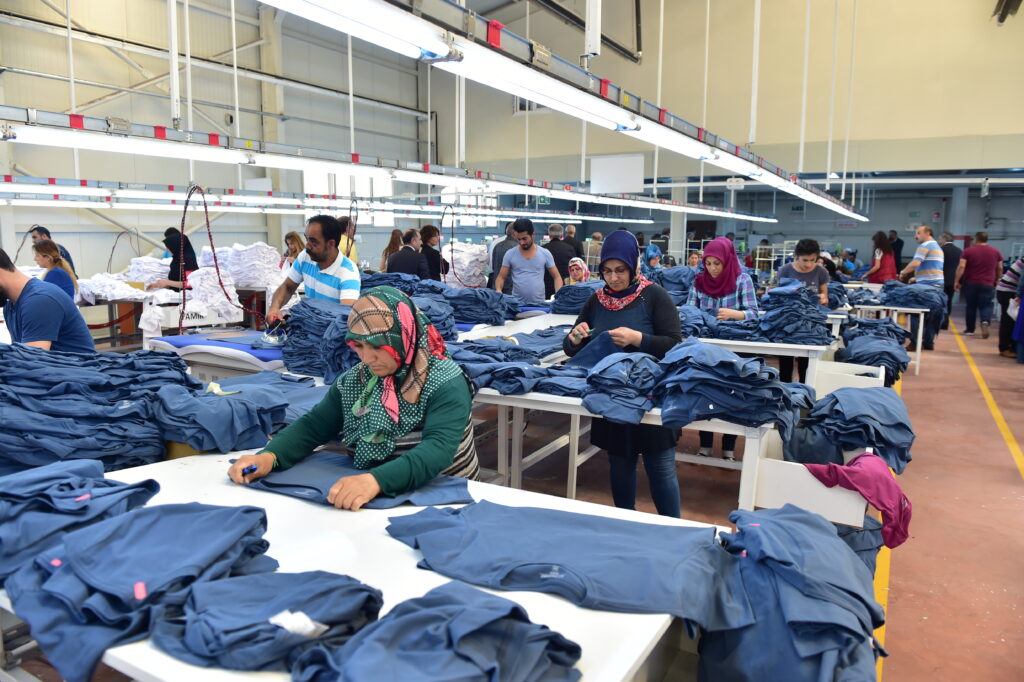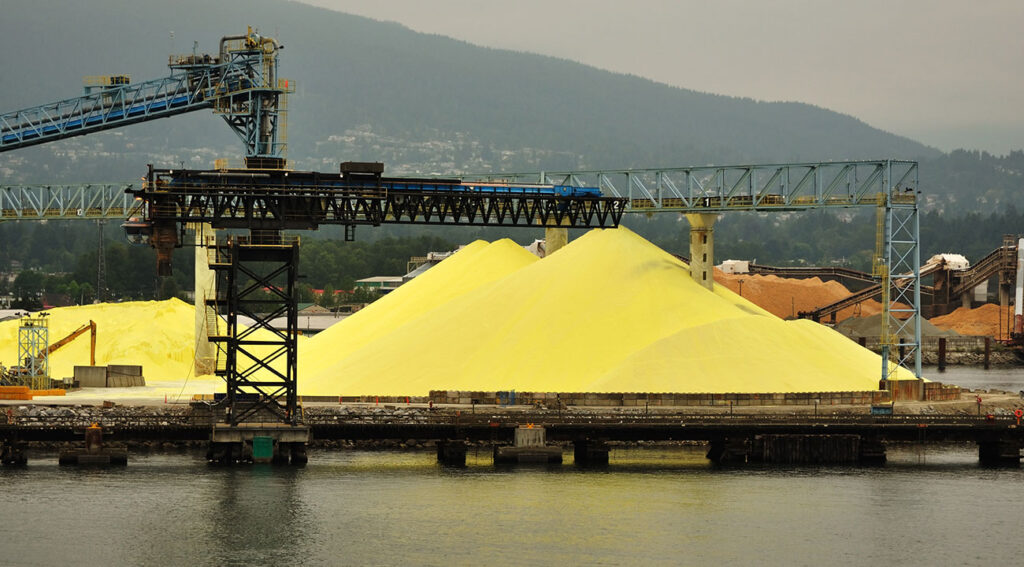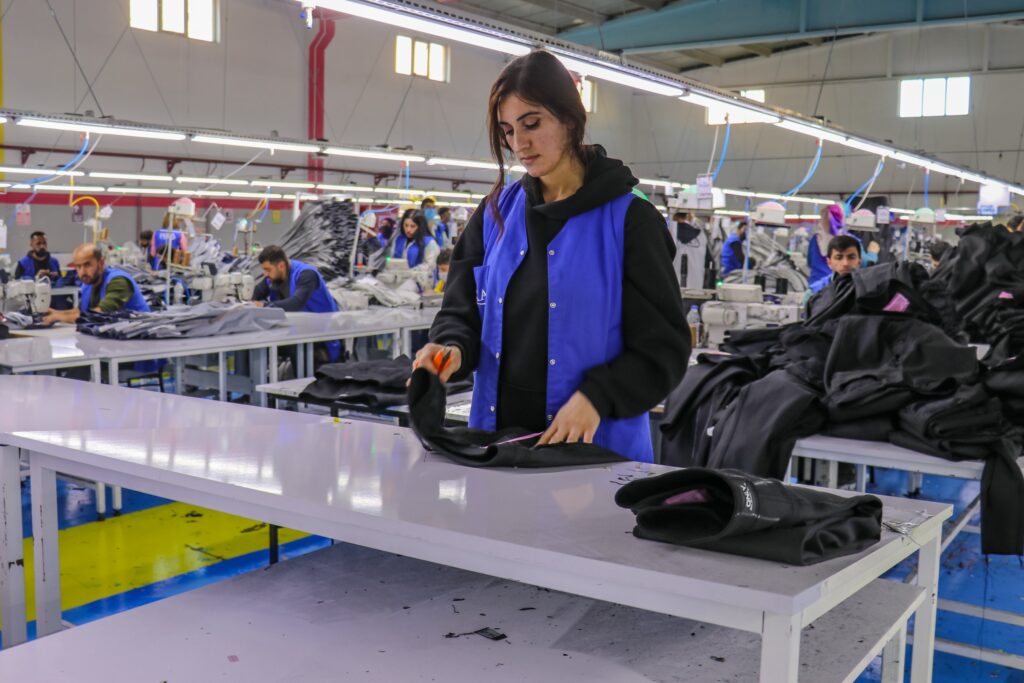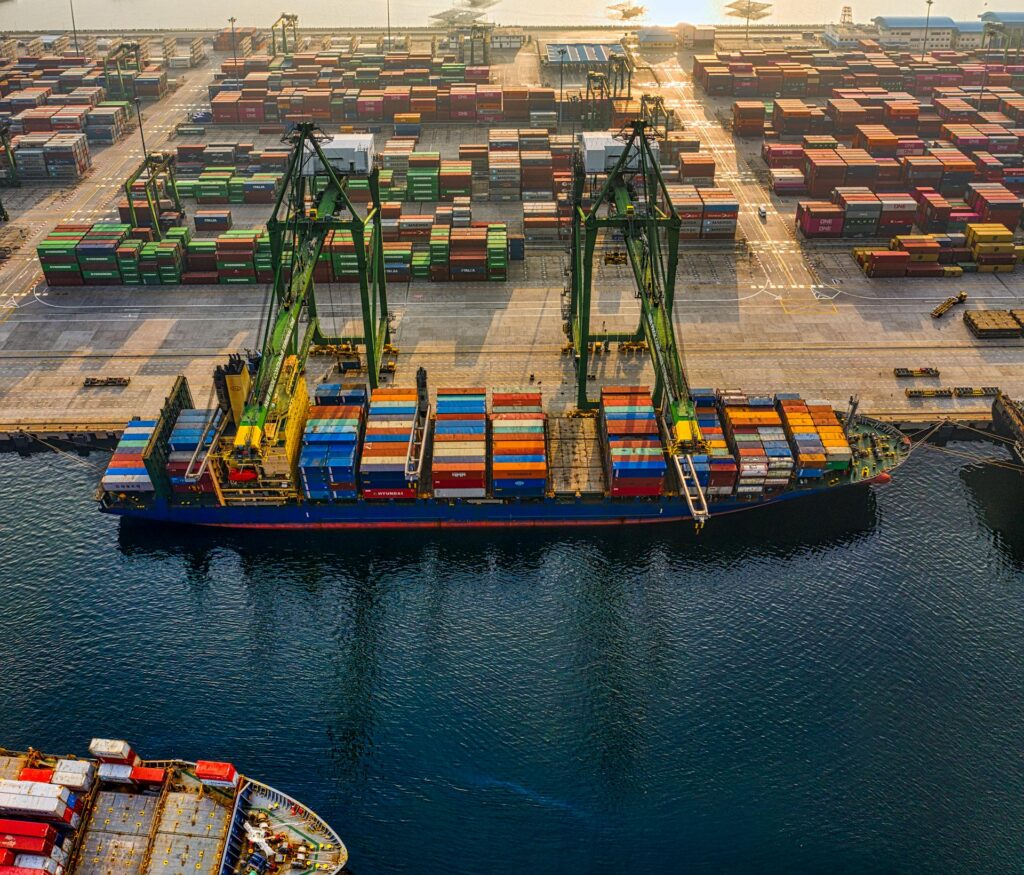
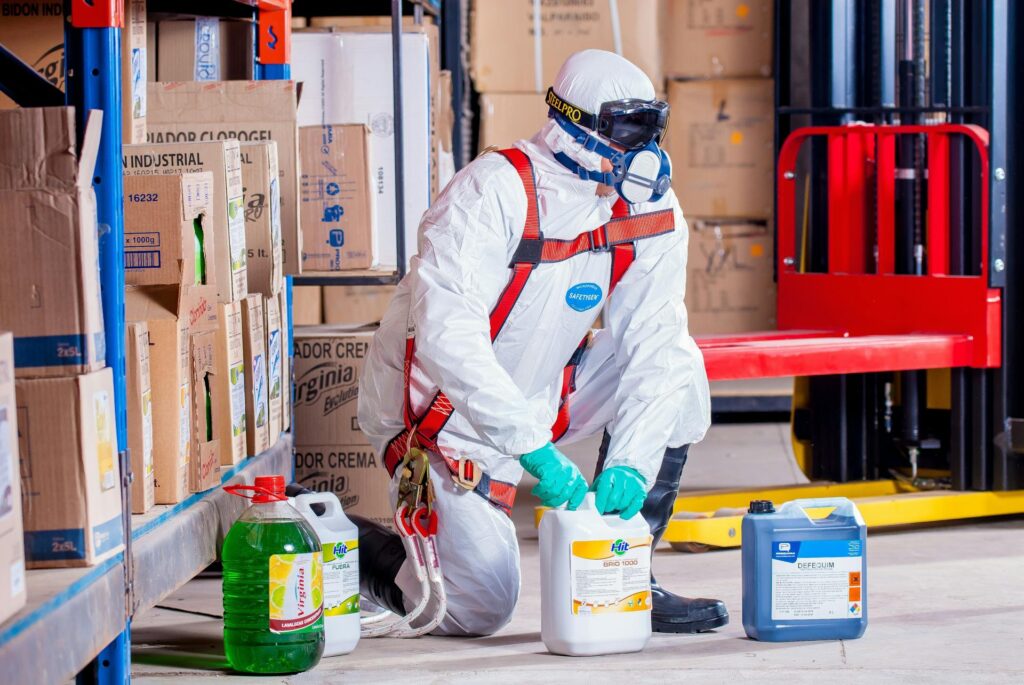
Turkey has emerged as a significant player in the global chemical industry, offering a diverse range of industrial, specialty, and pharmaceutical chemicals. With a strong manufacturing base, advanced production facilities, and competitive pricing, Turkey is an attractive destination for B2B buyers seeking reliable chemical suppliers. This guide provides essential insights for anyone interested in sourcing from Turkey.
1. Overview of the Turkish Chemical Industry
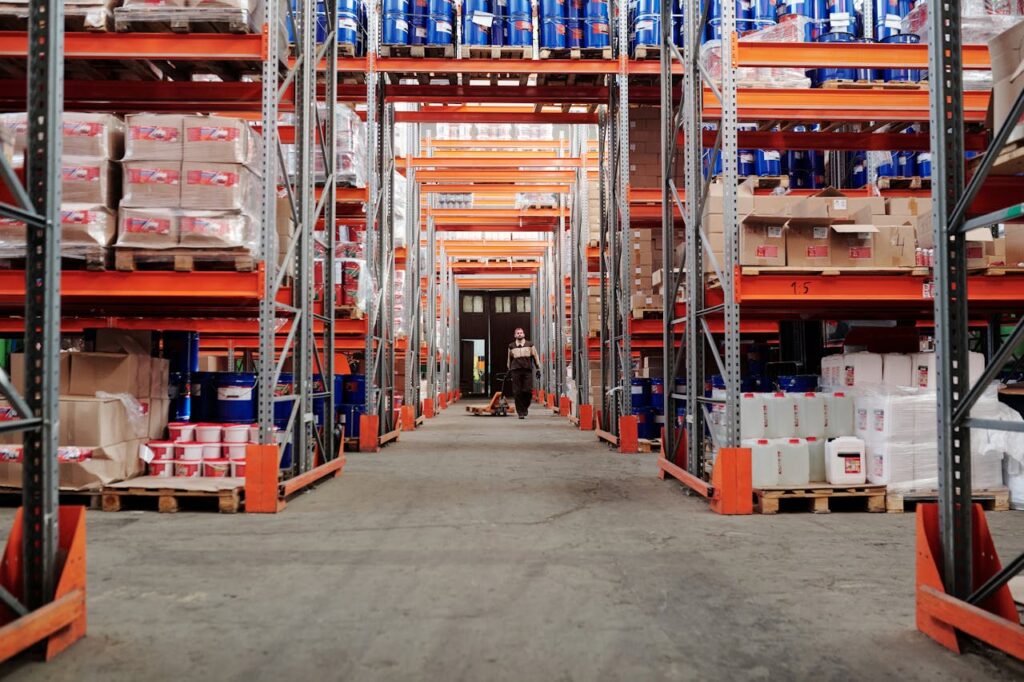
Turkey’s chemical industry is a vital component of the country’s manufacturing sector, contributing significantly to the economy and providing employment to thousands of workers. The industry is characterized by its diversity, with production ranging from basic chemicals to specialized formulations.
Industry Scale and Capacity
Turkey’s chemical industry generated approximately $35 billion in revenue in 2023, with exports accounting for a substantial portion of this figure . The country is among the top 15 chemical producers globally, with a strong presence in both domestic and international markets. Turkish chemical manufacturers operate modern facilities equipped with state-of-the-art technology, ensuring high-quality production and compliance with international standards.
Key Chemical Categories
The Turkish chemical industry encompasses several major categories, including inorganic chemicals, organic chemicals, pharmaceutical chemicals, agrochemicals, and specialty chemicals. This diversity allows B2B buyers to find a wide range of products from a single sourcing destination.
2. Major Chemical Products from Turkey

Inorganic Chemicals
Turkey is a significant producer of inorganic chemicals, including sulfuric acid, phosphoric acid, and various salts. These chemicals are used in a wide range of industrial applications, from fertilizer production to metal processing.
Organic Chemicals
The country produces a variety of organic chemicals, including alcohols, aldehydes, and ketones. These chemicals serve as raw materials for numerous downstream industries, including pharmaceuticals, cosmetics, and food processing.
Pharmaceutical Chemicals
Turkish pharmaceutical chemical manufacturers produce active pharmaceutical ingredients (APIs) and pharmaceutical intermediates. These products meet strict quality and purity standards required by the pharmaceutical industry.
Agrochemicals
Turkey is a major producer of agrochemicals, including pesticides, herbicides, and fertilizers. The country’s agricultural heritage and strong farming sector support a robust agrochemical industry.
Specialty Chemicals
Turkish manufacturers also produce specialty chemicals tailored for specific applications, including water treatment chemicals, food additives, and industrial coatings.
3. Quality Standards and Certifications
ISO 9001 Certification
Most reputable Turkish chemical manufacturers hold ISO 9001 certification, demonstrating their commitment to quality management and consistent product quality. This certification is essential for B2B buyers seeking reliable suppliers.
ISO 14001 Environmental Management
Many Turkish chemical producers are certified under ISO 14001, indicating their commitment to environmental sustainability and responsible chemical production practices.
GMP Certification
For pharmaceutical chemicals, Good Manufacturing Practice (GMP) certification is crucial. Turkish pharmaceutical chemical manufacturers often hold GMP certification, ensuring compliance with international pharmaceutical standards .
REACH Compliance
Turkish chemical exporters to Europe must comply with REACH (Registration, Evaluation, Authorization, and Restriction of Chemicals) regulations. Reputable suppliers maintain full REACH compliance and documentation.
4. Finding and Vetting Chemical Suppliers
Industry Associations
The Turkish Chemical Manufacturers Association (TCMA) provides valuable resources for identifying reputable chemical suppliers. The association maintains a directory of member companies and can facilitate introductions to potential suppliers.
Trade Shows and Exhibitions
Attending chemical industry trade shows such as CHEMTECH Istanbul provides opportunities to meet suppliers, view product samples, and learn about the latest industry trends.
Third-Party Verification
Consider using third-party verification services to assess supplier credibility, production capacity, and compliance with international standards. These services can provide valuable insights into supplier reliability.
Sample Testing
Always request product samples and conduct thorough testing before committing to large orders. This ensures that the supplier’s products meet your specifications and quality requirements.
5. Logistics and Shipping Considerations
Hazardous Material Handling
Chemical products are often classified as hazardous materials and require special handling, packaging, and transportation. Ensure that your Turkish supplier has experience with hazardous material shipping and can provide proper documentation and certifications.
Documentation Requirements
Chemical shipments require extensive documentation, including safety data sheets (SDS), certificates of analysis, and export permits. Reputable suppliers will provide all necessary documentation.
Customs Compliance
Different countries have varying regulations regarding chemical imports. Work with your supplier to ensure compliance with your country’s customs regulations and import requirements.
6. Frequently Asked Questions (FAQs)
Q: What are the main chemical production regions in Turkey?
Q: How can I verify a Turkish chemical supplier’s certifications?
Q: What are typical lead times for chemical orders from Turkey?
Q: Are there restrictions on importing chemicals to my country?
Q: What payment terms are typical for chemical suppliers in Turkey?
Conclusion
Turkey’s chemical industry offers B2B buyers a compelling combination of product diversity, quality, and competitive pricing. By understanding the industry landscape, identifying reputable suppliers, and implementing robust quality assurance processes, you can successfully source chemicals from Turkey. Whether you need basic industrial chemicals or specialized formulations, Turkish manufacturers can provide reliable, high-quality products to meet your business needs.