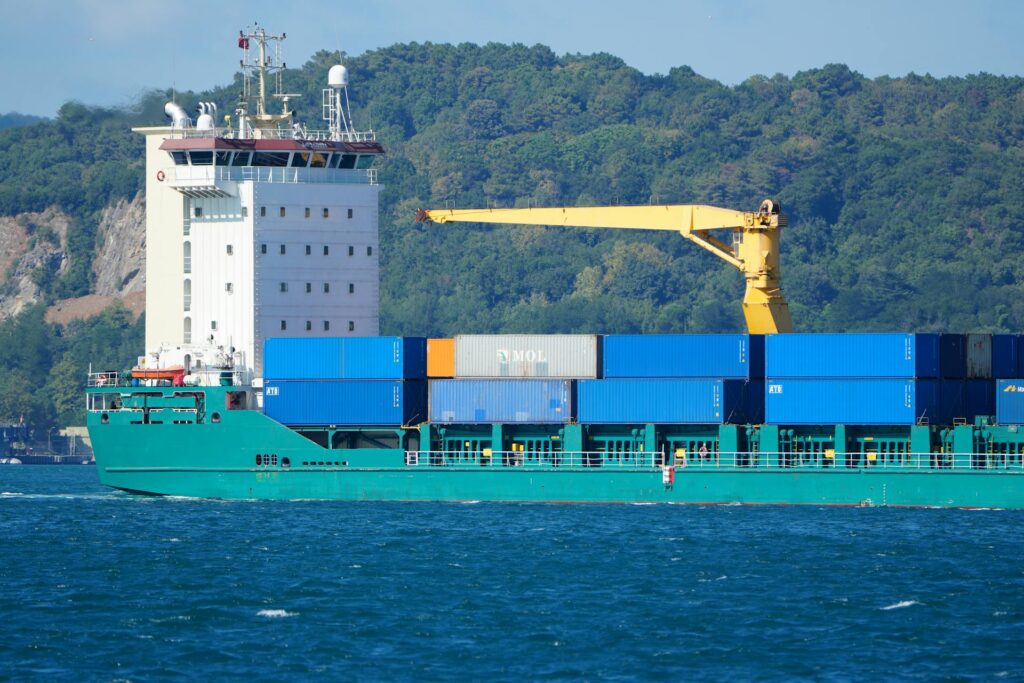
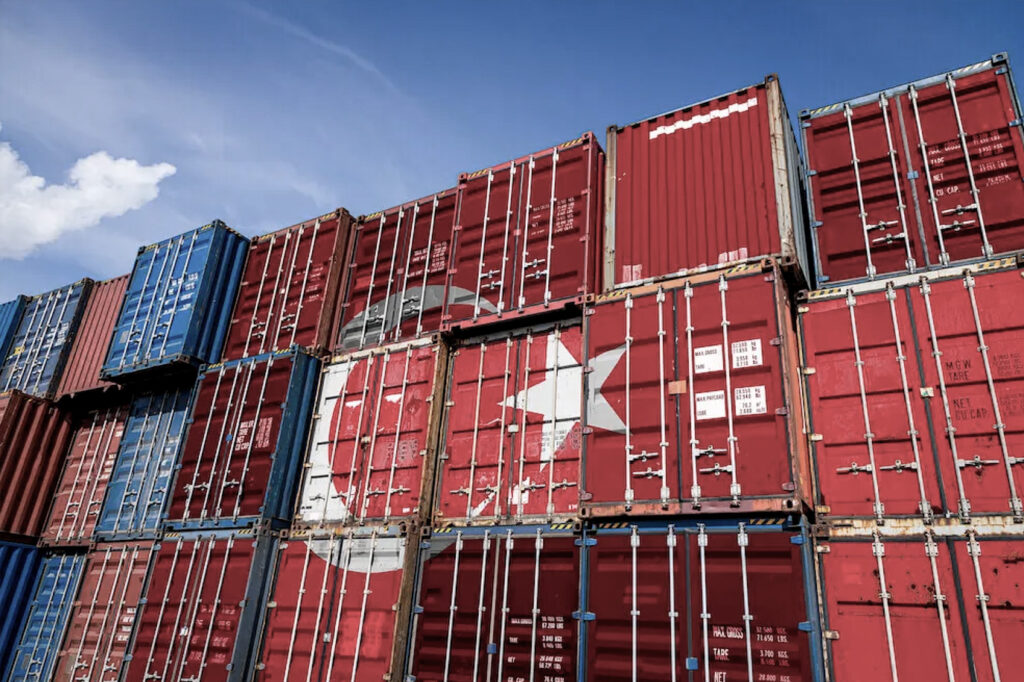
Turkey has firmly established itself as a manufacturing powerhouse, offering a compelling blend of geographic advantage, a skilled workforce, and modern infrastructure. A deep understanding of Turkish manufacturing capabilities and capacity is essential for any B2B buyer looking to build a reliable and cost-effective supply chain. This guide explores the landscape of Turkey’s industrial sectors, helping buyers identify the right partners for their needs. For a broader perspective on sourcing, we recommend our ultimate guide to sourcing from Turkey.
1. Overview of Turkish Manufacturing Sector
Industry Scale and Contribution
Turkey’s manufacturing sector generates approximately $200 billion in annual value, accounting for roughly 22% of the country’s GDP . The sector employs over 4 million workers and comprises approximately 500,000 manufacturing enterprises, ranging from small workshops to large multinational corporations.
Geographic Distribution
Major manufacturing clusters are located in Istanbul, Bursa, Izmir, Gaziantep, Kayseri, and Denizli. Each region has developed specialized expertise in different manufacturing sectors, creating regional competitive advantages.
Export Performance
Turkish manufacturers export to over 200 countries worldwide, generating approximately $180 billion in annual export revenue . The country ranks among the top 20 global exporters, with particular strength in automotive, textiles, machinery, and food products.
2. Manufacturing Capabilities by Sector
Turkey’s manufacturing prowess is evident across a wide range of industries, making it a top destination for sourcing some of the best products to import from Turkey.
Automotive and Auto Parts
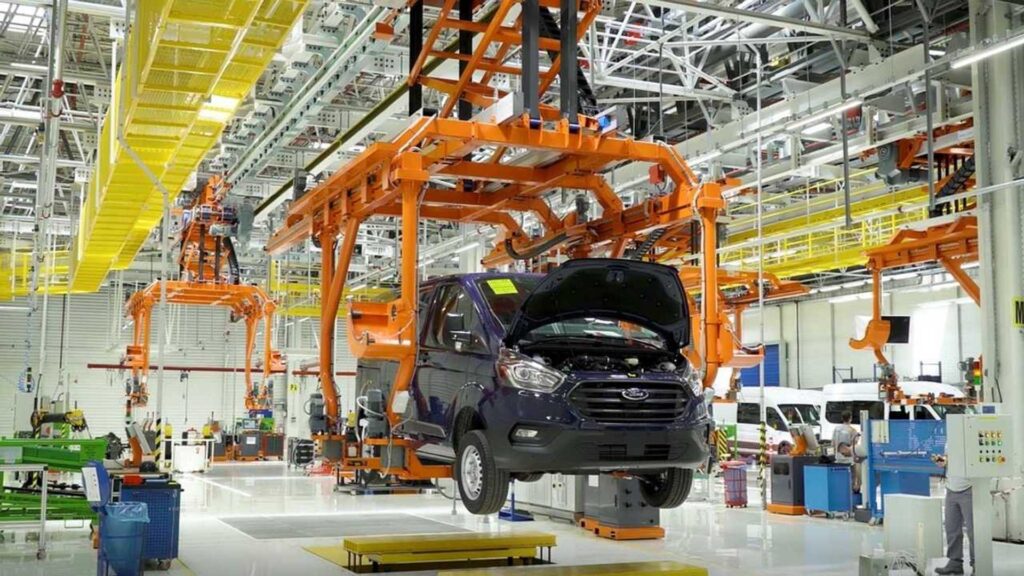
Turkey is a major automotive manufacturing hub, with production capacity exceeding 1.5 million vehicles annually. The country produces complete vehicles, engines, transmissions, and automotive components for major global brands . Turkish automotive suppliers are known for their quality, cost-effectiveness, and ability to meet international standards.
Further Reading: Sourcing Automotive Parts from Turkey
Textiles and Apparel
The textile sector is one of Turkey’s strongest manufacturing segments, with capacity to produce millions of tons of fabric annually. Turkish textile mills operate state-of-the-art equipment and employ advanced production techniques.
Further Reading: Sourcing Textiles & Apparel from Turkey
Machinery and Equipment
Turkish machinery manufacturers produce a wide range of equipment, from simple hand tools to complex industrial machinery. The sector includes specialized manufacturers for agricultural machinery, construction equipment, and industrial processing equipment.
Further Reading: Sourcing Machinery & Equipment from Turkey
Chemicals and Pharmaceuticals
Turkey’s chemical industry features modern production facilities for both commodity and specialty chemicals, including key exports like urea and sulfur.
Further Reading: Sourcing Chemicals from Turkey
Food and Beverage
Turkish food manufacturers operate advanced processing facilities capable of handling large volumes of raw materials. The sector includes specialized facilities for spice processing, nut processing, olive oil production, and beverage manufacturing.
Electronics and Electrical Equipment
Turkey has developed a growing electronics manufacturing sector, producing consumer electronics, electrical components, and industrial control systems.
Furniture and Wood Products
Turkish furniture manufacturers operate modern facilities capable of producing both traditional and contemporary designs. The sector includes specialized manufacturers for office furniture, residential furniture, and outdoor furniture.
3. Technology and Infrastructure
Modern Production Facilities
Turkish manufacturers have invested heavily in modern production technology, including computer-aided design (CAD), computer numerical control (CNC) machinery, and automated production systems. Many facilities operate Industry 4.0 technologies, including IoT sensors and data analytics.
Quality Control Systems
Reputable Turkish manufacturers implement comprehensive quality control systems, including statistical process control (SPC), automated inspection systems, and laboratory testing facilities.
Logistics Infrastructure
Turkey’s strategic location provides excellent logistics connectivity. The country has modern ports, airports, and highway networks facilitating efficient distribution of manufactured products.
Energy Infrastructure
Turkish manufacturers benefit from reliable energy infrastructure, including access to natural gas and electricity. Many manufacturers have invested in renewable energy sources to reduce production costs.
Quality is a top priority, with most reputable manufacturers holding ISO 9001 and ISO 14001 certifications. For a deeper understanding of how to ensure product quality, refer to our guide on quality control and factory audits in Turkey.
4. Workforce and Skills
Skilled Workforce
Turkey has a large, skilled manufacturing workforce with experience in various production processes. Many workers have received formal training and hold relevant certifications.
Technical Education
Turkey has developed a strong system of technical and vocational education, producing skilled workers for manufacturing sectors. Universities and technical schools provide specialized training in engineering, manufacturing, and related fields.
Experience and Expertise
Many Turkish manufacturers have decades of experience in their respective sectors, combining traditional craftsmanship with modern manufacturing techniques.
5. Quality Standards and Certifications
ISO 9001 Quality Management
Most reputable Turkish manufacturers hold ISO 9001 certification, demonstrating commitment to quality management and consistent product quality.
ISO 14001 Environmental Management
Many Turkish manufacturers are certified under ISO 14001, indicating commitment to environmental sustainability and responsible manufacturing practices.
Industry-Specific Certifications
Turkish manufacturers hold various industry-specific certifications, including IATF 16949 for automotive, OEKO-TEX for textiles, ISO 22000 for food, and others.
6. Frequently Asked Questions (FAQs)
Q: What are Turkey’s main manufacturing strengths?
A: Turkey’s main manufacturing strengths include automotive and auto parts, textiles, machinery, chemicals, food processing, and furniture. The country combines modern technology with competitive labor costs and geographic advantage.
Q: How does Turkish manufacturing capacity compare to other countries?
A: Turkey ranks among the top 20 global manufacturers by output value. The country has particular strength in textiles (5th globally), automotive (11th globally), and machinery production.
Q: What quality standards do Turkish manufacturers meet?
A: Most reputable Turkish manufacturers hold ISO 9001 and ISO 14001 certifications. Many also hold industry-specific certifications such as IATF 16949 for automotive and OEKO-TEX for textiles.
Q: Can Turkish manufacturers handle large-scale production?
A: Yes, Turkish manufacturers range from small specialized producers to large multinational corporations capable of handling massive production volumes. Many manufacturers can scale production to meet buyer requirements.
Q: What is the typical production lead time for Turkish manufacturers?
A: Lead times vary by sector and product complexity, typically ranging from 2-12 weeks. Standard products often have shorter lead times, while custom or complex products may require longer production periods.
Conclusion
Turkey’s manufacturing sector offers B2B buyers access to diverse production capabilities across multiple industries. The combination of modern technology, skilled workforce, competitive pricing, and quality certifications makes Turkish manufacturers attractive partners. Whether you need automotive components, textiles, machinery, or food products, Turkish manufacturers can deliver solutions that meet your business requirements. Understanding Turkish manufacturing capabilities helps buyers identify the most suitable suppliers for their specific needs.