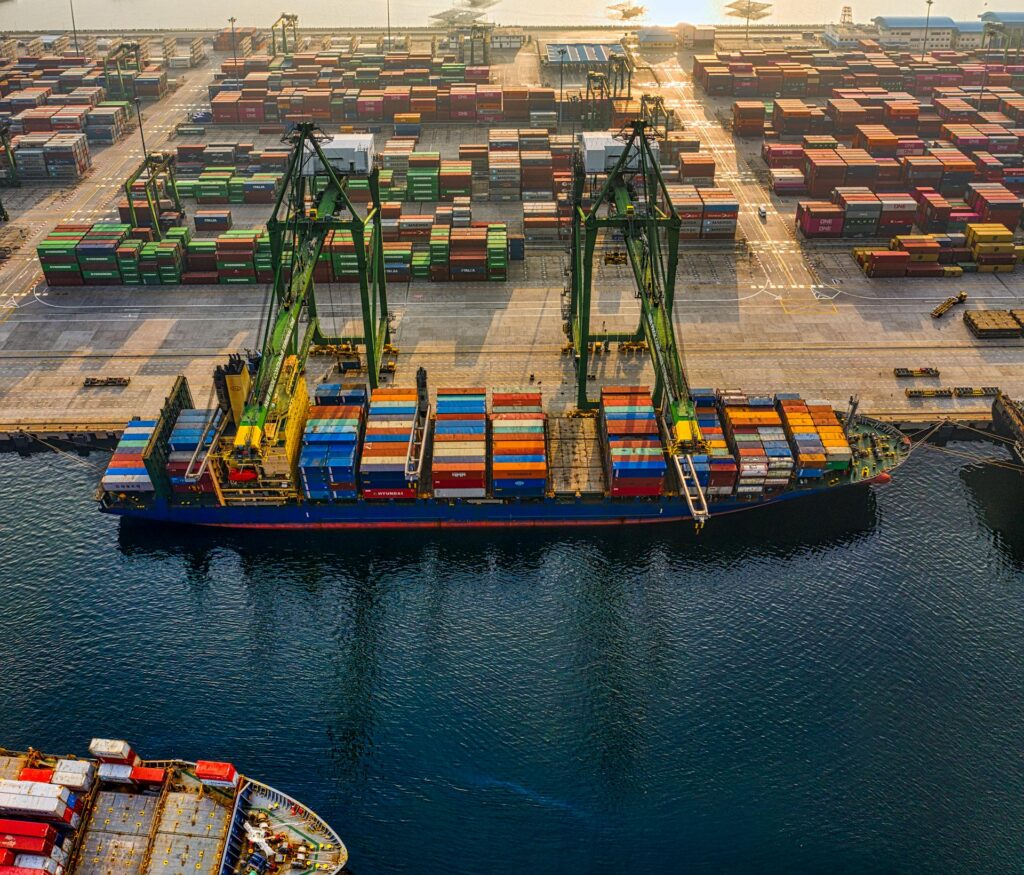
In today’s competitive global market, strategic sourcing is more critical than ever. For businesses looking to optimize their supply chains, reduce costs, and access high-quality products, Turkey has emerged as a premier sourcing destination. With its unique blend of European quality standards and Asian cost-effectiveness, a robust manufacturing sector, and a strategic geographic location, Turkey offers a compelling value proposition for international B2B buyers.
However, navigating a new sourcing landscape can be challenging. From finding reliable suppliers and ensuring product quality to managing logistics and trade compliance, the process can be complex. That’s where this guide comes in. As your trusted partner in Turkish trade, PortYol has created this comprehensive guide to empower you with the knowledge and tools you need to source from Turkey with confidence.
This is more than just an article; it’s a complete roadmap to building a successful and resilient supply chain with Turkish partners. We’ll cover everything from the key advantages of sourcing from Turkey and the top products to consider, to the practical steps of finding and verifying suppliers, navigating logistics, and building long-term business relationships.
Why Source from Turkey? The Strategic Advantages for Your Business
Turkey’s rise as a global sourcing powerhouse is no accident. The country offers a unique combination of factors that make it an attractive option for businesses of all sizes.
Cost-Effectiveness and High-Value Proposition
While not always the cheapest option compared to some Asian markets, Turkey provides an exceptional balance of cost and quality. You’ll find that Turkish manufacturers offer competitive pricing without compromising on the quality of materials or craftsmanship, delivering a high-value proposition for your business.
Renowned Manufacturing and Industrial Base
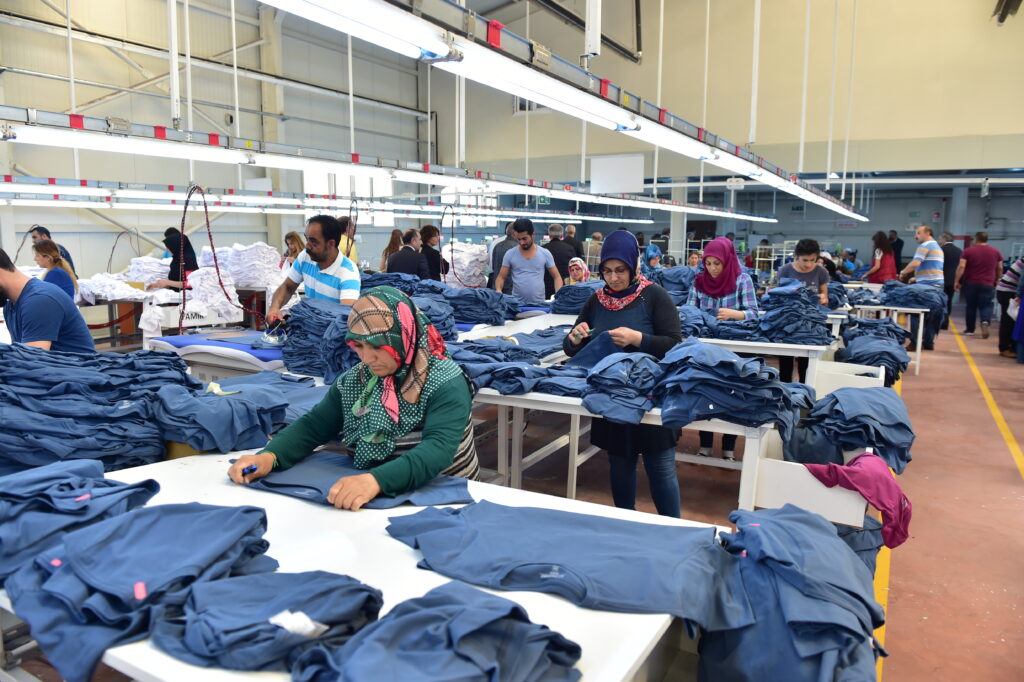
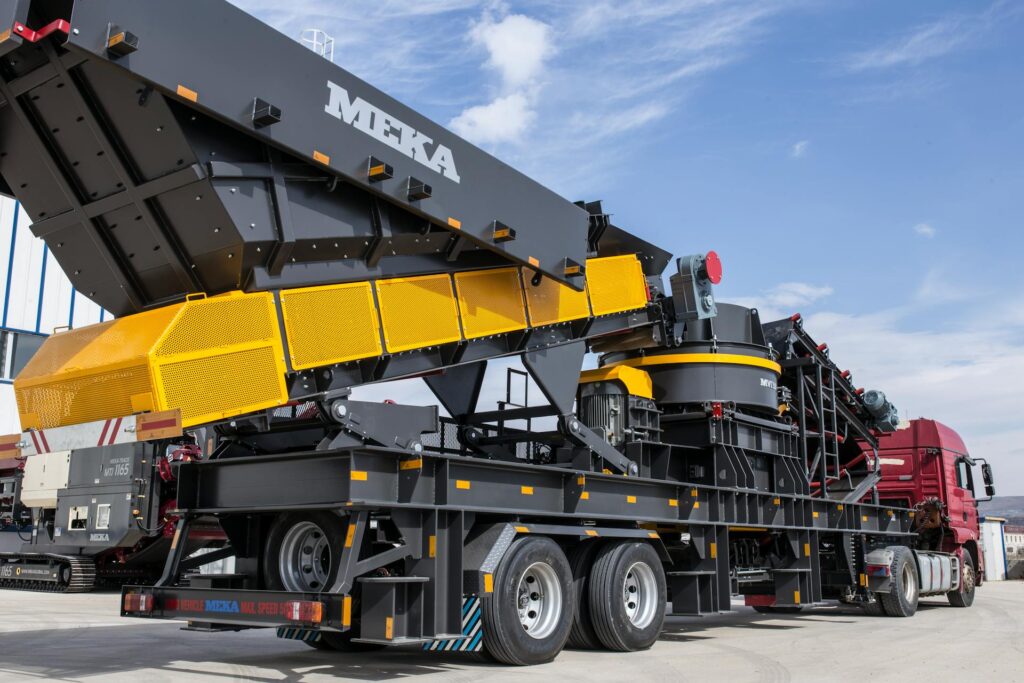
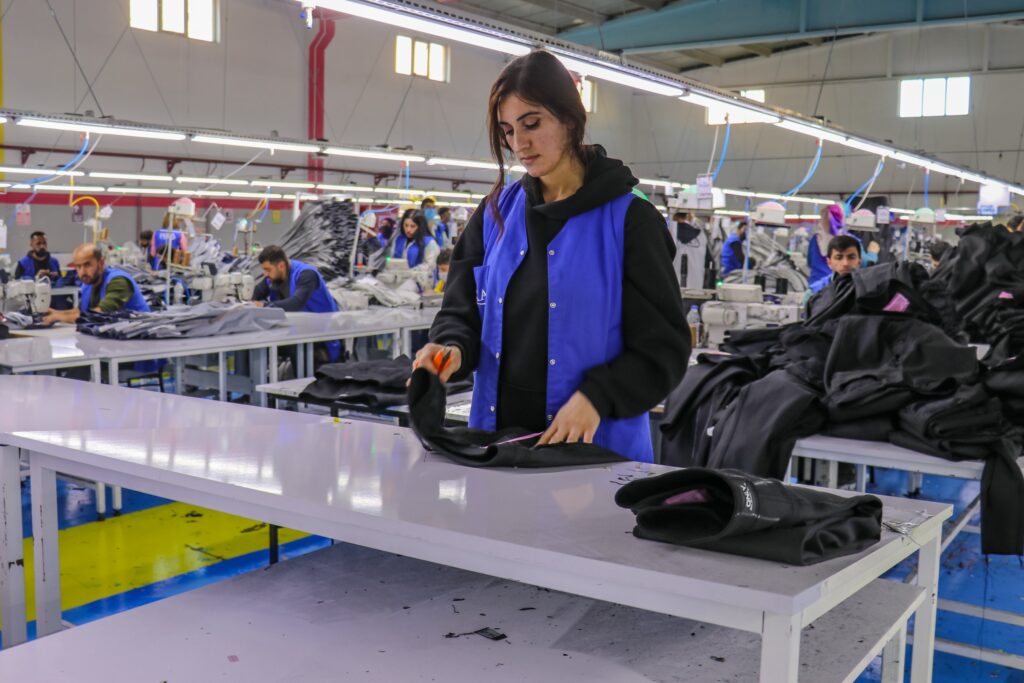
Turkey boasts a long and proud history of manufacturing, with a skilled workforce and a diverse industrial base. From textiles and apparel to automotive parts and machinery, Turkish factories are known for their quality, reliability, and adherence to international standards. Many are certified with ISO 9001, IATF 16949, and other globally recognized certifications.
Strategic Geographic Location
Positioned at the crossroads of Europe and Asia, Turkey offers unparalleled access to multiple markets. Its strategic location facilitates faster and more efficient shipping to Europe, the Middle East, and North Africa, reducing lead times and transportation costs compared to sourcing from more distant locations.
Modern Infrastructure and Logistics
Turkey has invested heavily in its infrastructure, with modern ports, airports, and a well-developed road and rail network. This ensures a smooth and efficient flow of goods, from the factory to your warehouse. The country also has numerous free zones and industrial parks that offer customs-duty exemptions and other incentives for international trade.
Top Products to Source from Turkey: A B2B Perspective
Turkey’s diverse manufacturing sector offers a wide range of products for B2B buyers. Here are some of the top categories to consider:
- Textiles and Apparel: As the world’s 5th largest textile exporter, Turkey is a go-to destination for high-quality cotton, denim, home linens, and ready-made garments. Learn more in our Sourcing Textiles & Apparel from Turkey guide.
- Furniture and Home Goods: From handcrafted wooden furniture to modern designs, Turkey’s furniture industry is booming. Discover more in our Sourcing Furniture from Turkey guide.
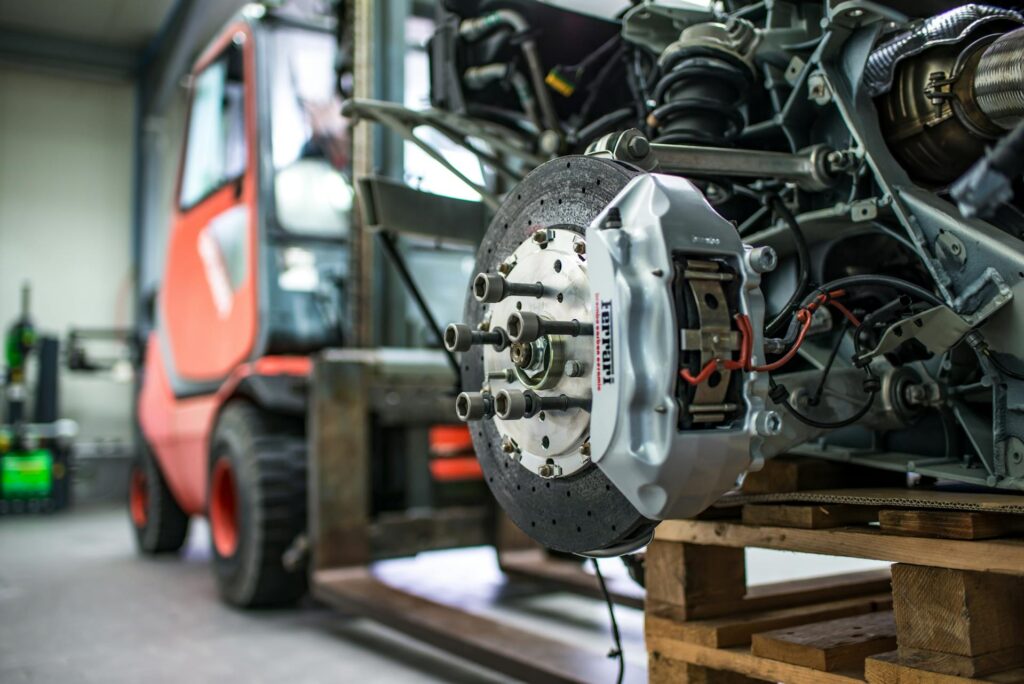
- Automotive Parts and Machinery: Turkey is a major player in the global automotive supply chain, producing a wide range of components and machinery. Explore this sector in our Sourcing Automotive Parts from Turkey guide.
- Food and Agricultural Products: From world-renowned olive oil and dried fruits to nuts and seafood, Turkey’s agricultural sector offers a wealth of opportunities.
- Ceramics and Jewelry: Turkish ceramics and jewelry are known for their intricate designs and high quality, making them a popular choice for international buyers.
For a more in-depth look at the most profitable and in-demand products, check out our guide to the Best Products to Import from Turkey.
How to Find Turkish Suppliers: A Step-by-Step Guide
Finding the right supplier is the first and most crucial step in your sourcing journey. Here are some of the most effective ways to find Turkish suppliers:
Leveraging B2B Marketplaces like PortYol
Online B2B marketplaces are one of the most efficient ways to find and connect with Turkish suppliers. Platforms like PortYol provide a curated directory of verified manufacturers and exporters, allowing you to search by product category, certification, and other criteria.
Attending Trade Shows and Exhibitions
Trade shows are an excellent opportunity to meet suppliers in person, see their products firsthand, and build relationships. Turkey hosts numerous international trade fairs throughout the year, covering all major industries. Stay up-to-date with our Major Turkish Trade Shows Calendar.
Utilizing Sourcing Agencies
For businesses that are new to sourcing from Turkey, a sourcing agency can be a valuable partner. These agencies can help you find suppliers, negotiate prices, and manage the entire sourcing process on your behalf.
The PortYol Difference: Your Gateway to Verified Turkish Suppliers
At PortYol, we understand that trust and reliability are paramount in B2B trade. That’s why we’ve built a platform that goes beyond a simple directory. We are your partners in sourcing, committed to connecting you with only the most reputable and qualified Turkish suppliers.
Our Rigorous Verification Process
Every supplier on the PortYol platform undergoes a comprehensive verification process, which includes:
- Business Registration and Legal Checks: We verify that the company is legally registered and in good standing.
- Export License and Certification Validation: We confirm that the supplier has the necessary licenses and certifications to export their products.
- Factory and Production Capacity Assessment: We assess the supplier’s manufacturing capabilities to ensure they can meet your quality and volume requirements.
- Reference and Background Checks: We speak with previous clients to gauge the supplier’s reliability and professionalism.
By doing the due diligence for you, we save you time, reduce your risk, and give you the peace of mind that you’re working with a trusted partner.
Supplier Verification: A Crucial Step for Secure Sourcing
Even when using a trusted platform like PortYol, it’s important to conduct your own due diligence. Here are some key steps to take to verify a potential supplier:
- Request a Company Profile and Product Catalog: This will give you a good overview of the supplier’s business and product range.
- Ask for Certifications: Request copies of any relevant certifications, such as ISO 9001, OEKO-TEX, or IATF 16949.
- Conduct a Factory Audit: If possible, visit the factory in person or hire a third-party inspection company to conduct an audit on your behalf. Learn more in our Quality Control & Factory Audits in Turkey guide.
- Order Samples: Before placing a large order, always request samples to assess the quality of the products firsthand.
For a complete checklist, see our guide on How to Find & Verify Turkish Suppliers.
Navigating Trade Compliance and Logistics
Once you’ve found a supplier, the next step is to navigate the complexities of trade compliance and logistics. This includes:
- Understanding Turkish Export Regulations: Familiarize yourself with Turkey’s export regulations, including any restrictions or licensing requirements for your products. Our Turkish Export Regulations guide can help.
- Preparing Essential Import Documentation: Ensure you have all the necessary documentation for customs clearance, including a commercial invoice, bill of lading, and certificate of origin. See our Import Documentation & Customs Clearance Checklist.
- Choosing the Right Shipping Method: Decide whether to ship your goods by air, sea, or land, based on your budget, timeline, and the nature of your products. Our Shipping from Turkey to the US guide provides a detailed comparison.
- Understanding Incoterms: Clarify the terms of sale with your supplier using Incoterms like FOB, CIF, or EXW. Learn more in our Incoterms for Turkish Trade guide.
Building Strong Business Relationships with Turkish Suppliers
Building a strong, long-term relationship with your Turkish supplier is key to your sourcing success. Here are some tips:
- Communicate Clearly and Regularly: Maintain open and transparent communication with your supplier throughout the entire process.
- Understand Turkish Business Culture: Familiarize yourself with Turkish business etiquette to build rapport and avoid misunderstandings.
- Negotiate Fairly: Be prepared to negotiate on price and terms, but always do so in a respectful and professional manner. Our Negotiating with Turkish Suppliers guide can help.
- Pay on Time: Ensure you have a secure and reliable payment method in place and always pay your invoices on time. Explore your options in our Payment Methods for Turkish Suppliers guide.
Frequently Asked Questions (FAQs) about Sourcing from Turkey
Q: Is it safe to source from Turkey?
A: Yes, it is safe to source from Turkey, especially when you work with verified suppliers and take the necessary precautions to ensure product quality and payment security. Platforms like PortYol can significantly reduce your risk by connecting you with pre-vetted manufacturers.
Q: What is the minimum order quantity (MOQ) when sourcing from Turkey?
A: MOQs can vary significantly depending on the product and the supplier. While some products, like custom-made furniture, may have low MOQs, others, like textiles, may require larger orders. It’s always best to discuss MOQs with potential suppliers on a case-by-case basis.
Q: How do I pay Turkish suppliers?
A: Common payment methods include wire transfers (T/T), letters of credit (L/C), and online payment platforms. It’s important to choose a secure payment method and to have a clear payment schedule outlined in your contract.
Q: Do I need an import license to source from Turkey?
A: This depends on your country’s import regulations and the type of product you’re importing. It’s always best to check with your local customs authority to determine if an import license is required.